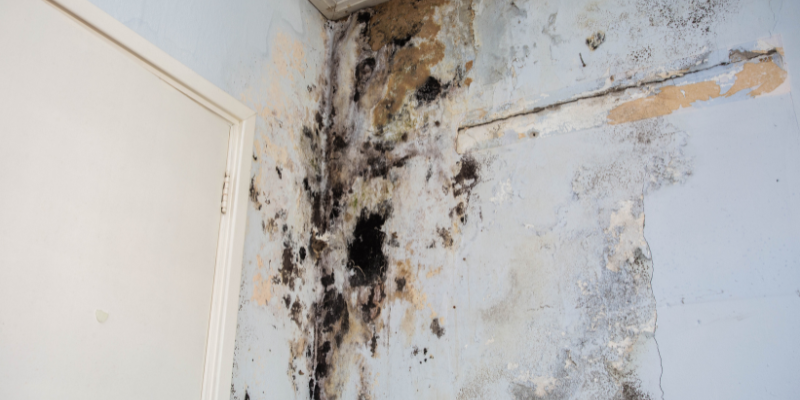
Dampness or mold shows up in roughly 47% of residential homes across the country. Washington’s wet winters make that number feel conservative. If you have a house with mold and you’re wondering whether you can still sell it, the short answer is yes. The longer answer is that how you sell it and what you do before you list matter more than most sellers expect.
Selling a Moldy House Is More Doable Than You Think
For years, I assumed mold was a deal-killer. Then I started buying houses and realized sellers walk away from perfectly workable situations because they assume no buyer will touch a moldy property. That’s backward.
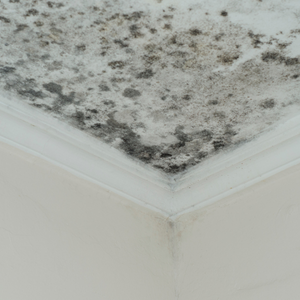
Washington law treats mold as a material fact that sellers must disclose due to its potential to cause structural damage and health issues. But disclosure is not disqualification. Buyers purchase moldy homes in Tacoma, Everett, and Olympia every month. Your sale depends on the type of buyer you’re targeting and the price, and those two things are connected.
In March, I worked with the Mendoza family in Renton. They were splitting assets through a divorce and needed the house sold quickly, not weeklong negotiation marathons. The property had mold in the crawl space and above the bathroom exhaust fan. My team at Highest Offer Real Estate bought it as-is. The sale closed, the family stopped carrying a mortgage on a house neither of them wanted, and they moved on. This kind of transaction happens more than people in the traditional real estate world like to admit.
Selling on the MLS is possible, but buyers using conventional financing may hit a wall with their lenders. Some loan programs require a property to meet habitability standards before they’ll fund. A minor, remediated mold situation can work fine with a traditional sale. Widespread or actively spreading growth puts you in a smaller pool of willing conventional buyers, and your best offers will likely come from cash investors anyway.
Homes with mold issues in Washington can see resale values drop 20 to 37%, so getting your strategy right has real money attached to it, sometimes more than the remediation itself costs. None of these paths is wrong. The right one depends on your timeline, your cash position, and how severe the mold situation actually is.
Signs of Mold in Your Home Before You Sell
Miss the signs, and you lose control of the narrative. A buyer’s home inspector will find what you didn’t, and by then, you’re negotiating from a weak position with a written report in the buyer’s hands.
Black, green, or white patches on walls, ceilings, grout lines, or around window frames are obvious. But mold in Washington homes likes to hide. Attics are among the most commonly overlooked spots, especially in older Craftsman bungalows in neighborhoods like South Hill, outside Puyallup, where roof ventilation was never designed with modern insulation in mind.
A musty smell with no obvious source is often the first real sign. A room that smells damp and closed off, even after airing out, has something growing somewhere. Moisture staining on ceilings or walls, warping near windows, and peeling paint around bathroom exhaust fans all point in the same direction.
Have you checked your crawl space? Most homeowners don’t. Mold thrives in damp, humid environments and can grow unnoticed in basements, bathrooms, attics, and behind walls for months before it becomes visible from inside the living space. Washington’s persistent rain gives moisture plenty of entry points: failed caulking around doors, inadequate attic ventilation, and slow plumbing leaks under kitchen sinks.
Mold exposure can trigger nasal congestion, throat irritation, coughing, wheezing, and eye irritation. People with asthma, allergies, or weakened immune systems often feel the effects sooner, which is part of why buyers take mold seriously during inspections.
A professional mold inspection, separate from a standard home inspection, gives you air sampling and surface testing results you can actually use. Without one, you’re guessing, and guessing costs money at the negotiating table.
Washington Mold Disclosure Law: What Sellers Need to Know
Washington’s disclosure obligation lives at Revised Code of Washington (RCW) § 64.06.020, which requires sellers of residential real property to deliver a completed seller disclosure statement to the buyer before closing.
That form, commonly called Form 17, has no line labeled mold. It asks about water intrusion, roof leaks, and standing water, then closes with a catch-all covering any other material defect you know about. Mold is a material fact, so it belongs in those answers, and your answer carries legal weight. Sellers have been sued over it.
Washington moved away from the old caveat emptor (“buyer beware”) standard that once allowed sellers to remain silent about property defects. The current law applies to sellers of residential real property with one to four dwelling units, including condominiums and manufactured homes. Buyers can waive receipt of the disclosure statement, but that’s the exception, not the norm, and the waiver has a hard limit: under RCW 64.06.010, a buyer cannot waive the Environmental section when any answer in it would be yes.
One nuance that doesn’t get enough attention: the law covers what you know. Sellers who genuinely didn’t know about mold in the attic can’t disclose what they never discovered. That cuts both ways. If you had a water leak repaired five years ago and never had the area checked for secondary mold growth, you may not be legally liable for what a buyer finds. But if you painted over visible mold before listing, that’s a completely different story. If new issues arise after you’ve completed the form (say, a pipe bursts during escrow), you must update the disclosure before closing.
Mold Disclosure Requirements for Home Sellers in Washington
The reach of that catch-all question is broader than most sellers expect. Past mold that was remediated still needs to go on the form. A leak from three years ago that caused mold in the garage wall, even if you fixed it, is a known fact about the property. Omitting it because it’s “already handled” is where sellers get into trouble.
If you’ve had remediation done, providing documentation of the professional process reassures buyers that the issue was handled correctly. Your listing agent should be actively involved in how you word the disclosure. Vague answers invite follow-up questions and nervous buyers. Specific, documented answers give buyers the transparency they need to proceed.
This matters in competitive markets like Redmond, Puyallup, and Seattle, where cash home buyers in Seattle, WA and traditional buyers alike move fast. In those markets, a well-documented remediation can actually become a selling point. It signals that the seller is serious and organized.
Legal Consequences of Not Disclosing Mold When Selling a House in Washington

Some sellers assume that if mold is in a spot a buyer is unlikely to find, they don’t need to disclose it. That reasoning falls apart the moment a buyer moves in, finds growth behind the walls, and calls an attorney.
Knowingly omitting material facts on Form 17 can result in civil fraud liability and compensatory damages. Washington courts do not award punitive damages unless a statute expressly authorizes them, and none does here, so the exposure is what the buyer actually lost. A buyer who prevails in court may seek compensation for remediation costs, medical expenses, and additional repairs. In extreme cases, the sale itself can be rescinded. The buyer recovers the purchase price, and the sale is unwound. The seller may also be required to pay the buyer’s legal fees.
Disclosure failures consistently rank as the leading cause of post-closing real estate disputes, and mold is among the most cited defects in those cases.
Sellers who try to protect themselves with a quick cosmetic fix often end up in mediation. A fresh coat of paint over a mold-stained wall doesn’t erase your liability. It can actually increase it by suggesting intent. Inspectors are trained to spot this. Work with a real estate attorney before you close if you have any doubt about what needs to go on Form 17.
Who Is Responsible for Mold Testing When Selling a House in Washington?
Nothing in Washington law requires a seller to commission a mold inspection before listing. But not having one puts you in a reactive position. The buyer’s home inspector may flag suspected mold, the buyer orders their own test, and now you’re negotiating based on someone else’s report with someone else’s remediation estimate in play.
Getting your own mold inspection before you list gives you control. You know what you’re dealing with. You can get multiple remediation bids, decide whether to fix it or disclose and price accordingly, and present buyers with a clean paper trail.
Mold inspections in the Seattle area run $300 to $1,025, with inspectors conducting visual and lab tests to determine the type, location, and severity of any growth. That’s a small investment compared to what a buyer’s re-negotiation can cost you after they get their own test back.
Washington doesn’t license mold remediation professionals, but look for contractors certified through the Institute of Inspection, Cleaning and Restoration Certification (IICRC), which offers Mold Remediation Specialist and Water Damage Restoration Technician credentials. Buyers will ask about your contractor’s qualifications when reviewing your documentation.
One thing worth flagging: a standard home inspection is not a mold inspection. A general inspector isn’t a mold specialist. If you suspect moisture damage, order a separate mold inspection. Don’t assume one covers the other.
Mold Remediation Cost in Washington
The remediation quote is almost never the total cost. Add the initial inspection, structural repairs after mold removal, and post-remediation clearance testing, and the final bill is higher than the quote you were given.
Mold remediation in Washington averages around $2,600, with most jobs landing between $1,500 and $4,250. Costs vary significantly by location and scope:
| Mold Location | Typical Cost Range | Notes |
|---|---|---|
| Bathroom/surface areas | $500 – $1,500 | Most accessible; lowest labor cost |
| Crawl space | $1,500 – $4,000 | Depends on square footage and moisture source |
| Attic | $1,500 – $6,000 | Often requires insulation replacement and ventilation repairs |
| HVAC system | $2,000 – $10,000 | Higher end if growth has spread into the ductwork |
| Whole house | $15,000 – $30,000 | Typically caused by flooding or prolonged roof failure |
Seattle metro labor costs push prices above the national average; eastern Washington trends lower in line with its lower cost of living. Attic jobs run long because crews need to replace compromised insulation and address the ventilation failures that let moisture in. In my experience, poor ventilation can stretch a projected two-day job to nearly a week.
If mold reaches your HVAC system, nobody budgets for it. At the whole-house level, the math on remediating before sale rarely works out, and selling to a cash buyer as-is becomes the more practical route.
Is Mold Remediation Worth It Before Selling Your Home in Washington?
Buyers don’t pay full market value plus your remediation costs. They pay market value for a clean house. So if you spend $4,000 on remediation, you’re not adding $4,000 to your sale price. You’re removing the discount a buyer would have demanded for buying a house with disclosed mold. Those aren’t the same thing, and the math doesn’t always favor remediation.
Where it makes sense: Smaller, isolated mold problems under 30 square feet, in accessible areas like a bathroom or laundry room, where remediation is relatively affordable and lender requirements make selling with active mold difficult. Buyers using FHA or VA financing will typically hit a wall with active mold. Remediating expands your buyer pool and protects your price.
Where it doesn’t: Extensive mold throughout a crawl space, attic, and HVAC system, especially in a home that already needs significant other work, is a deal-breaker. In that scenario, remediation costs plus other repairs could easily exceed what you’d net from a higher sale price. Selling as-is to a company that buys houses in Washington, disclosing everything honestly, and pricing accordingly, gives you a faster, cleaner exit.
One pattern worth noting: sellers who spend money on partial remediation, enough to look clean but not enough to get a clearance letter, end up stuck. They can’t honestly say it’s been remediated, and the evidence of prior mold is still visible. Get it done completely, or price it as-is. Half measures cost more than either extreme.
How to Handle Mold Disclosure with Your Listing Agent and Attorney in Washington
Your listing agent handles the transaction; your real estate attorney handles the liability. Both need to weigh in before you finalize your Form 17 answers.
A common mistake: sellers tell their agent about the mold verbally, assume the agent will handle it, and never confirm how the disclosure was actually worded. The written disclosure is your legal record. Read every word before you sign it.
If you’ve done remediation, assemble a paper trail. Buyers are far more willing to proceed when they can see the problem was documented and professionally addressed, rather than taking a seller’s word for it. That file should include:
- The original mold inspection report
- The contractor’s scope of work
- Before-and-after photos
- The post-clearance air quality test
For sellers in competitive markets like Kirkland and Redmond, a well-documented remediation can become a real differentiator. In slower, more buyer-friendly pockets around Tacoma and Lakewood, that documentation can be the difference between a buyer who proceeds and one who walks.
If you’re selling to a cash buyer or investor, the attorney review is even more important. Cash sales move faster, which leaves less time to catch disclosure errors. Get your documentation in order upfront, regardless of who the buyer is.
How Much Is Your Washington Home Worth with Mold?

Raj Caldwell called me on a Wednesday, his mother’s home in Gig Harbor sitting empty while she settled into assisted living. The garage held two of her late husband’s fishing boats and a wall of tackle boxes no one had touched in years. The house had mold behind the master bath wall and along the base of a north-facing bedroom where a gutter had been leaking for two seasons. Raj was managing everything remotely from Bellevue, handling her finances, her care, and her mail, and didn’t have the bandwidth to coordinate contractors across the sound. We bought the house as-is, with mold disclosed, and closed in 3 weeks. His mother’s finances were settled, and Raj stopped making trips across the water.
What a property is worth with mold depends almost entirely on the scope of the problem and the type of buyer you’re targeting. A moldy house in Gig Harbor’s waterfront-adjacent neighborhoods still draws investor interest because location value holds regardless of condition, which is why we buy houses in Gig Harbor in any condition. A similar house in a slower Lakewood neighborhood may see sharper price adjustments because buyers have more alternatives.
No automated estimate accounts for what’s behind your bathroom wall. Your neighbor’s sale last spring didn’t have your mold situation. The most reliable number comes from someone who has physically walked the property and bought similar homes in your area. If you want a real starting point rather than a range pulled from a database, contact us before you commit to any path.
Frequently Asked Questions
What is the mold law in Washington?
Washington’s disclosure law lives at RCW § 64.06.005 and following, with the core obligation at RCW § 64.06.020. Mold is a material fact that must be disclosed on Form 17, the state’s standard seller disclosure statement. Omitting it exposes you to legal liability, including lawsuits and potential rescission of the sale.
How hard is it to sell a house with mold?
It depends on the severity and the buyer type. A bathroom with surface mold and a remediation receipt is a different situation from attic-wide growth requiring structural repairs. Cash buyers and investors are the least deterred by mold, which is why selling as-is is a realistic path when the remediation math doesn’t pencil out. Buyers with young children, elderly family members, or respiratory conditions may walk, but the buyer pool is larger than most sellers assume.
Does a realtor have to disclose mold?
Your agent has an obligation to disclose material facts they’re aware of, and mold qualifies. More practically, you, as the seller, fill out Form 17 yourself. Your agent can’t override or soften your answers. If your agent is advising you to minimize or omit known mold issues, find a different agent.
What if I bought a house and discovered mold after closing?
Review your purchase agreement and inspection contingencies. If the seller knew about the issue and failed to disclose it, you may have legal remedies, including claims for breach of contract or fraud. The challenge is proving the seller had actual knowledge, but if evidence suggests the mold was concealed, that helps your case. Document everything before touching it, and speak to a real estate attorney as soon as you discover the issue.
Can I sell a house with mold to a regular buyer, not an investor?
Yes, if the mold has been professionally remediated, documented, and disclosed. Buyers using conventional financing may encounter lender requirements regarding habitability, but a clean remediation record generally meets those requirements. The issue arises when mold is active, widespread, or undocumented. That’s when the buyer pool narrows sharply to cash and investors.
Helpful Washington Blog Articles