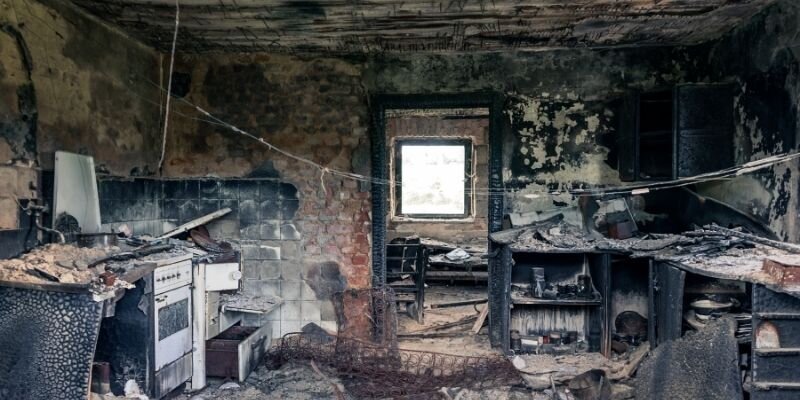
A kitchen fire that starts on a Tuesday afternoon can change everything by Tuesday night. Your house, the one you spent years building equity in, is suddenly a liability, and the questions come fast: Can I even sell this? What will the insurance company pay? Do I have to fix it first? Homeowners in Washington have no playbook for this situation, and the advice they find online is generic at best (fire damage is its own category).
Selling Your Fire-Damaged Home in Washington: What You Need to Know
Last summer, the Kim family called me after a grease fire tore through the kitchen of their Kenmore rancher on a Saturday morning. They had already gotten a contractor quote by Monday, which meant they walked into our first call already discouraged. That estimate ran past what the kitchen was even worth at resale, and the rest of the house still carried smoke damage in the HVAC and behind the walls. We ended up buying the property as-is, and they closed without spending a cent on repairs.
This situation is more common than most sellers expect. Washington’s median home sale price sits around $612,823 as of May 2026, which means even a fire-damaged property in a good neighborhood carries real land and location value. Sellers often walk in assuming the worst, and sometimes they’re right about the damage, but wrong about what that means for their options. Your path forward depends on what you actually want out of the sale: speed, maximum payout, or a clean exit from a stressful situation. All three are achievable. They just require different moves.
Washington’s real estate market adds a layer of nuance here. County medians run from roughly $880,000 in San Juan County down to about $200,000 in Ferry County, so location still does a lot of work for sellers, even after a fire. A damaged house in Kirkland, Redmond, or Shoreline is not the same as a damaged house in a rural county, and pricing needs to reflect that.
What Is a Fire-Damaged House?
Smoke does more damage than most people ever talk about. Everyone focuses on the charred walls and the scorched roof decking, but the soot that travels through ductwork, settles into insulation, and coats the inside of every cabinet in the house is often what drives restoration costs into six figures. A fire that barely touched the living room can still ruin a forced-air system from across the house, leaving the HVAC replacement alone to dwarf what you spent putting out the flames.
For real estate purposes, a fire-damaged property is any home where a fire has affected its structural integrity, habitability, or market value, even if the visible damage seems minor. This includes houses with smoke and water damage from firefighting efforts, homes with compromised electrical panels or plumbing systems, properties where the roof or load-bearing walls were affected, and full teardowns where demolition is the only viable path. A total loss is declared when repair costs exceed a threshold, typically 50 to 75 percent of the home’s pre-fire market value, as set by your insurer and Washington state regulations (the water damage alone can push you there).
What most articles skip over is the difference between cosmetic fire damage and systemic damage. Cosmetic damage, a scorched countertop, some smoke staining, and a section of flooring can often be addressed with a few thousand dollars and a good cleaning crew. Systemic damage runs through the bones of the house: the framing, the electrical wiring inside the walls, the plumbing systems, and the foundation. Getting a general contractor to assess systemic damage is almost always a mistake because they’re trained to price what’s visible, not what’s hidden. A certified fire restoration specialist knows to pull back the drywall and check what’s behind it, and that inspection determines the true scope of the damage.
What to Do After a House Fire in Washington
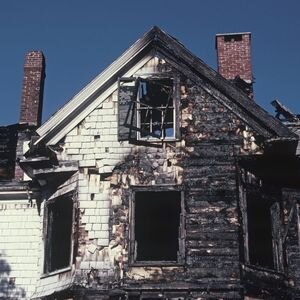
Before you make any decisions about selling, get your documentation in order. This isn’t generic advice; it’s what I tell every seller sitting across from me when they’re still in shock. A fire report from the fire marshal, photos of every affected room, a written assessment from a licensed restoration contractor, and a timeline of events all become your leverage, whether you’re negotiating with an insurance adjuster, pricing for a cash buyer, or deciding between repair and sale.
File your insurance claim as soon as the property is safe to enter. Washington insurers will assign an adjuster to your claim, but getting an independent assessment alongside that process helps protect you. Average insurance payouts in Washington run between $80,000 and $120,000, though the state’s higher home values often push actual repair costs above those figures (sometimes well above, in my experience).
One thing I keep seeing sellers get wrong: they let the insurance company’s adjuster write the scope of work before they get their own contractor in. Once the insurer establishes their version of the damage, it becomes the baseline for everything that follows, leaving you negotiating uphill from a number someone else set. Get your own contractor in before the adjuster visits.
Washington law also requires full disclosure of any known fire or smoke damage history when selling the property. The obligation doesn’t disappear if you repair the house before listing. A CLUE report, which stands for Comprehensive Loss Underwriting Exchange, holds a seven-year record of every insurance claim on a property, and any buyer, lender, or insurer can pull that report regardless of what you disclose verbally. Trying to hide a fire history is not just a bad idea ethically; it’s the kind of thing that ends sales in litigation.
Why Sellers in Washington Choose to Sell Fire-damaged Homes As-Is
Once you’ve documented the damage and talked to your insurance agent, the repair-or-sell question comes up fast. And a lot of sellers assume repair is automatically the smarter financial move. This assumption costs people money.
Repair costs for severe fire damage in Washington commonly reach between $100,000 and $250,000, with full rebuilds ranging from $150,000 to $400,000. On top of that, you’re still carrying a mortgage, utilities, and property taxes every month during a renovation that almost always runs longer than the contractor promised. Add in the emotional distress of managing a construction project on a home you’ve already been through a crisis in, and the math starts tilting toward selling as-is for a lot of families.
There’s also the financing problem. Most conventional mortgage loans won’t cover a fire-damaged property in its current state, which shrinks your traditional buyer pool to almost nothing. Cash buyers and real estate investors tend to be the only parties who can close quickly without a lender complicating the transaction. This is not a disadvantage; it’s just how the market for these properties actually works.
Sellers in Washington also wrestle with carrying costs. Property taxes don’t pause for fire damage, and keeping utilities connected during repairs or while the house sits vacant adds up. For sellers who already have housing elsewhere and are paying rent or a second mortgage, the monthly bleed on a damaged property (sometimes running three to four months before a decision gets made) can tip the decision toward a fast sale before a full repair cycle even starts.
Get the fair cash offer your property deserves and sell your home for cash in Washington with ease.
Benefits of Selling Your Fire-damaged House As-Is in Washington
Most real estate professionals will not tell you how much speed matters.
Cash buyers who purchase fire-damaged homes as-is typically close within two to four weeks. Compare that to a traditional listing path: several months of restoration work, then a standard 30 to 60 days on market, then the inspection contingency period, then closing. From fire to funded, the timeline typically runs six to nine months, assuming nothing goes wrong with the restoration or the buyer’s financing.
Selling as-is also stops the cost clock immediately. No contractor invoices, no material delays, no surprise structural issues discovered after demolition begins. The offer accounts for the damage, the buyer takes on the renovation risk, and you walk away with cash in hand (sometimes within days of signing).
What I tell sellers who are torn on this: calculate what you’d net after repairs against an as-is offer, then add back the carrying costs you’d accumulate during a five-month renovation. The gap closes fast. In competitive neighborhoods like Bellevue, Queen Anne, or Mercer Island, where land value alone justifies the purchase, as-is offers sometimes come in closer to the post-repair value than sellers expect.
Sellers also avoid agent commissions on a direct sale. Expect to give up somewhere between six and ten percent of your final sale price on a traditional listing once you add commissions, title costs, and buyer concessions. Six to ten percent off a $600,000 sale is $36,000 to $60,000 that doesn’t factor into an as-is cash offer scenario. Our team can give you a fair picture of what your fire-damaged property is worth to cash buyers in today’s Washington market, without committing to anything upfront.
Types of Fire-Damaged Properties We Buy in Washington

Does the extent of the damage actually change your options?
It does, but probably not the way you think. Buyers like us look at fire-damaged properties across the full spectrum, from minor smoke and water damage to properties that are total losses and pure teardown situations. The type of damage changes the offer, not the willingness to buy, so a gutted shell and a smoke-stained kitchen are both on the table.
Minor fire damage includes properties where the fire was contained to one room or area, the structure is sound, and the main issues are smoke odor, soot staining, and water from firefighting. These homes are the most straightforward to price and attract both renovation investors and end buyers willing to take on the cleanup (smoke odor being the sticking point).
Moderate damage covers situations where a portion of the roof, flooring system, or interior walls was affected. Plumbing systems and electrical panels may need replacement, causing the cost estimate from a general contractor to shift significantly once the walls open up. These properties take more work but still hold significant value, particularly in high-demand Washington markets like Bothell, Renton, or Tacoma’s North End.
Severe damage and total losses are where the teardown calculation comes in. Demolishing a fire-damaged single-family home generally runs between $6,000 and $25,000, depending on size and whether hazardous materials like asbestos or lead paint are present. Even a teardown holds land value, and in Washington’s supply-constrained markets, that land-value-only sale is still worth pursuing quickly rather than letting the property sit and deteriorate (bare lots move faster than you’d think).
Wildfires are a separate category that’s become more relevant across Washington. Areas in King, Snohomish, and Pierce counties face growing wildfire exposure, and properties in those zones sometimes carry additional insurance complications. We buy those too.
Looking to sell your home quickly? We buy houses in Tacoma and other areas, offering a convenient solution without the delays, repairs, or complications.
How We Review and Buy Fire-Damaged Properties in Washington
A seller reached out to us with a partially burned duplex in Puyallup on a Wednesday afternoon, and by Thursday morning, we had walked the property. The garage held a partially finished woodshop, which actually helped us understand the fire’s origin and assess the adjacent structure more accurately (sawdust and solvents tell a story).
Our process starts with a walkthrough, and unlike a traditional home inspection, we’re not looking for reasons to walk away. We want to understand the full scope: the fire marshal’s report, the extent of smoke and water damage, the condition of the electrical and plumbing systems, the roof structure, and the foundation. That information goes into our offer calculation, and we show our work.
After the walkthrough, we pull comparables in your specific neighborhood, factor in land value for the lot, estimate repair or demolition costs, and account for our holding and renovation expenses, as smoke damage alone can cause major shifts in that estimate. Highest Offer Real Estate follows a transparent pricing model that shows homeowners how we arrived at the number, so you’re not just taking a figure on faith.
There are no real estate professionals involved in our direct purchase process, no inspection contingencies that blow up at the last minute, and no lender delays. Once you accept an offer, a title company handles closing within a few weeks. If you have a mortgage on the property, that lien gets paid off at closing before you receive your proceeds (the title company coordinates this directly).
How to Sell a Fire-Damaged House in Washington
Sellers who skip the documentation step and rush straight to buyers almost always leave money on the table.
Start by getting the fire marshal’s report. That document establishes the cause, origin, and scope of the fire, and every serious buyer will want to see it. Pair that with your own independent damage assessment from a fire restoration contractor, not a general contractor, because restoration specialists know where fire damage hides in ways general contractors are likely to overlook. The difference in the estimates will sometimes surprise you.
File your insurance claim before you engage buyers. Your home insurance policy is an asset in this transaction. Insurance claims for fire damage can take between 60 and 180 days to settle, so starting early gives you options: you can use the payout to fund repairs, apply it to your financial situation after selling as-is, or negotiate around it when discussing price with a cash buyer. Some sellers use the insurance proceeds to pay down the mortgage and then sell the land-value-only teardown for additional cash (especially on smaller urban lots).
Price based on the actual market, not on hope. Fire-damaged homes in Washington generally sell for 40 to 60 percent of their pre-fire value, with properties in competitive Seattle and Bellevue neighborhoods sometimes reaching 60 to 70 percent due to strong investor demand. Know where your property falls in that range before you field the first offer.
Reach out to a few cash buyers and real estate investors, compare their offers, and ask each one to walk you through how they arrived at their number. A buyer who can’t explain the pricing isn’t someone you want handling a transaction this complex. Washington’s disclosure requirements also mean you need everything in writing: the fire history, the known damage, and any repairs already completed. Washington’s seller disclosure law, RCW 64.06, and the Form 17 disclosure statement it requires are both worth reviewing if you want to understand your legal obligations before you sign anything.
A Fire-Damaged House in Washington Can Still Hold Serious Value
King County’s median home price sits at roughly $880,000 as of July 2026, among the highest in the state, and even a property with serious fire damage in a neighborhood like Madrona, Magnolia, or Seward Park carries land value that most sellers don’t fully account for. A lot in a desirable Seattle zip code is worth real money regardless of what’s standing on it.
The land-value calculation is how experienced investors think about heavily damaged and teardown properties. Take the after-repair value of a rebuilt home on the lot, subtract the cost of demolition and construction, subtract a margin for the investor’s time and risk, and what’s left is the price a buyer will pay for the damaged property today. In hot pockets of Washington’s market, that math still produces numbers that surprise sellers.
Priya Vargas called us on a Thursday. She had taken a job transfer to Denver and had five weeks to be out of her Redmond townhouse. The fire had been in the attached garage and had spread partially into the kitchen wall. The property was livable but disclosed, and traditional buyers kept pulling back once they saw the fire history. We made her a fair cash offer, walked her through the title process with a local company, and she closed before her move date with no repairs made and no agent fees paid. That’s the kind of exit that’s available to sellers who know their options.
If you’re weighing your choices, resources like the National Fire Protection Association’s homeowner guides and Washington’s Form 17 seller disclosure statement can help you go in informed. For a direct conversation about what your property is worth to a cash buyer, Highest Offer Real Estate is a good starting point.
Frequently Asked Questions
Is It a Bad Idea to Buy a House That Had Fire Damage?
Buying a fire-damaged home carries real risk, but that risk is manageable with the right information. The key is understanding what was actually damaged, whether it’s cosmetic or structural, and what the full cost of restoration looks like before you commit. For cash buyers and investors who do this regularly, fire-damaged properties can be solid acquisitions, especially in high-value Washington markets where land value cushions the downside.
How Long Are You Liable for Repairs After Selling a House in Washington?
Washington law doesn’t set a single uniform liability window, but sellers can face legal exposure for several years if a buyer proves they concealed known defects at the time of sale. Disclosing the full fire and smoke damage history in writing is your best protection. Sellers who disclose everything accurately and sell as-is to a buyer who accepts the condition are generally in a much stronger legal position than those who repair and fail to disclose the history.
How Do You Price a Fire-Damaged House?
Start with what the home was worth before the fire, then subtract the full cost of repairs or demolition, plus a margin for the buyer’s risk and holding time. Getting a restoration contractor’s estimate and comparing it to your insurance adjuster’s scope of work will give you a realistic floor. In competitive Washington neighborhoods, land value can hold the price up even on severe damage, so don’t price based only on the structure.
Does a House Lose Value After a Fire?
Yes, and that reduction can persist even after full restoration. A fire stays on the property’s CLUE report for seven years and has to be disclosed regardless of the repairs made, so buyers price in the risk that restoration work does not erase. Restored homes commonly sell below comparable properties with no fire in their history. That stigma is one reason many sellers prefer to sell as-is rather than invest heavily in repairs, only to face a lower sale price anyway on the open market.
If you want to talk through your options, we’re here. No pressure, no obligation, just a straight conversation about what your property is worth and what a sale could look like for your specific situation. Reach out to Highest Offer Real Estate whenever you’re ready.
Helpful Washington Blog Articles