

Closing day and moving day aren’t always on the same day. Most sellers learn that the hard way, usually a week before the keys are supposed to change hands.
Picture it. You’ve accepted a great offer, the paperwork is signed, escrow is nearly done, and your new place won’t be ready for six more weeks. The sale isn’t the problem. The calendar is. Staying past closing without a plan drops you into a legally murky spot. Nobody wants to be there. There’s an actual structure for this, though, and millions of sellers use it every year without drama.
Here Are the Options When You Need Extra Time
For years, I assumed sellers simply had to be out by closing. I was wrong about that, and I’ve had to walk sellers through better options because I didn’t raise it early enough.
A rent-back agreement, formally a post-settlement occupancy agreement, lets the seller stay in the home for a set period after closing. The seller becomes a short-term tenant. You negotiate it before closing and put it in writing, so both sides know exactly what they’re getting. A couple of years back, I worked with a widow in Puyallup who’d been quietly carrying two mortgage payments for nearly a year. Her kids lived out of state. She’d already bought a condo closer to them, and she needed eight weeks after closing to pack a three-bedroom house holding 30 years of belongings. That’s a lot of furniture to sort. The rent-back handled it cleanly. She stayed, she paid rent to the buyer, and everyone moved on without a blowup.
As of June 2026, the national median days on market was 53 days, according to Realtor.com. Sellers who accept an offer quickly can end up staring at a six-to-eight-week gap before their next home is ready. That gap is where a rent-back earns its keep. A month in a hotel with a storage unit gets expensive fast, and it wears people down. Rushing a move to dodge an awkward conversation isn’t worth damaging a property you’re still responsible for.
Can a Seller Stay in the House After Closing?

Staying past closing with nothing in writing is about the worst move a seller can make.
A seller who doesn’t leave on time hands the buyer a landlord’s remedy, which is eviction. That runs through the local court system, with every delay you’d expect from it. A formal rent-back sidesteps the whole mess. The seller’s right to stay gets established up front, for a defined period, under specific conditions. Some states handle evictions quickly. Others take months, and the buyer keeps paying the mortgage the whole time.
So yes, a seller can absolutely stay. The negotiating has to happen before closing, not after. Buyers who agree get something back, usually a rent payment and sometimes a small concession on the purchase price. Rent-back agreements show up often in hot real estate markets. A buyer might add one to the purchase agreement to make their offer more attractive. Or the seller asks during contract negotiations, sometimes at the last minute.
How the buyer pays for the house sets your ceiling. A buyer using an owner-occupied loan through Fannie Mae or Freddie Mac has to be living in the property within 60 days of closing. FHA holds its borrowers to the same clock. That deadline sits with the buyer, and it caps your stay all the same. Almost every conventional and government-backed loan carries it. Cash is the exception. Nobody’s lender is counting days, so the move-out date becomes whatever the two of you write down. If you already know you need more than two months, raise it with Highest Offer Real Estate before the contract is signed. Wait until after closing, and you’ll have almost nothing left to negotiate with.
Sell your home for cash quickly and confidently. Get a fair offer and enjoy a simple, stress-free selling experience.
What Is a Rent-Back Agreement and How Does It Work?
Some sellers worry that asking for a rent-back makes their sale look shaky, or signals they aren’t ready. The opposite is usually closer to the truth.
In practice, the seller stops being the owner and becomes a renter, and the buyer becomes a temporary landlord. The agreement gets formally documented to protect both parties. It spells out the lease duration, the rent amount, the security deposit, and who handles maintenance and utilities. In competitive markets, a rent-back can sweeten an otherwise ordinary offer, since the seller can accept it without scrambling to find their next place.
Rent usually tracks the buyer’s daily carrying cost. Expect to pay the buyer’s daily PITI, meaning principal, interest, taxes, and insurance, plus a security deposit the title company holds. The buyer sets that number, and both sides know it before anyone signs a thing.
Lenders apply different guidelines to conventional, FHA, and VA loans, so the rules vary by loan type. Sometimes, a seller only needs under 30 days. A seller-in-possession agreement can fit better there. It’s short-term, it often rides along in the closing documents, and it works well when the seller needs just a few extra days or weeks.
What Is Included in a Leaseback Transaction?
Sit across from me at the kitchen table, and I’ll tell you what I tell every seller who asks about this. Get it all in writing before you sign the deed over.
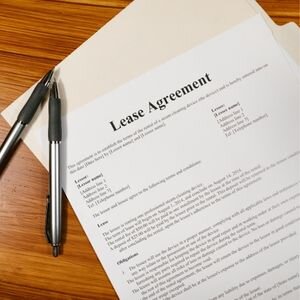
The rent-back agreement itself is where those details get pinned down. Terms cover rent, insurance, deposits, maintenance, and the move-out deadline. Every one of those matters. Skip the maintenance language, and you’ll argue over who fixes the garbage disposal when it dies during your last week in the house. That one comes up more than you’d guess.
Insurance trips people up most often. Standard homeowner’s policies are written for owner-occupied residences, not landlord-tenant relationships. The buyer’s new policy might not cover a damage claim filed while the seller is still living there. Both parties should call their insurers the moment a rent-back comes up. Insurers don’t love surprises, and coverage gaps open fast. Make the call before the rent-back starts, not after a claim lands.
The agreement should also spell out what happens if the seller doesn’t leave on time. Penalties for overstaying, whether per-day fees or automatic escalation, keep both sides honest. A holdover clause that names an actual dollar figure works better than one saying the seller will vacate “soon”. Vague language costs you when the date slips. No document, no leverage.
Who Benefits From a Sale-Leaseback Arrangement?
Both sides can come out ahead when a rent-back gets set up right. That’s what makes it worth taking seriously.
Sellers get room to coordinate a real move instead of cramming everything into storage and camping in a hotel. That flexibility matters for lining up a move-out date with buying a new home, working around a school year, or just having time to sort through things. Families with school-age kids benefit most when the timeline bends around the academic calendar. Pulling children mid-semester adds stress that has nothing to do with the sale.
Buyers benefit too. The buyer, now the homeowner, pockets short-term rental income, and offering a rent-back can make an offer stand out in a crowded field. Where sellers see multiple offers in a single weekend, flexibility on the move-out date can tip things as much as price does.
If you’re trying to sell but need time on the back end, Highest Offer Real Estate works with sellers on non-standard timelines. That includes leaseback setups without the lender-driven restrictions that a traditional financed sale carries.
We buy houses and provide homeowners with a fast, simple, and stress-free selling option.
How to Get a Rent-Back Agreement Before You Close
A seller I worked with had already signed the purchase agreement when someone mentioned her new build was running two months behind. She had two weeks to find an alternative or move twice. Builders slip. That happens far more often than the sales office lets on.
Raise the rent-back request early, ideally before the purchase agreement is finalized. A seller who knows they won’t close on a new home in time can make the sale contingent on the buyer agreeing to one. Making it a condition up front removes the mid-escrow scramble. I’ve watched that scramble delay closings by weeks when it gets handled late.
Your real estate professional or broker handles the drafting, usually as an addendum to the purchase contract. Have a real estate attorney check that the contract is legal and includes provisions protecting you and the buyer. A vague leaseback agreement leaves both sides exposed. An hour of attorney time up front beats a fight later.
Some lenders carry their own overlays, limiting rent-backs to a shorter window. Jumbo loan programs tend to be the most strict about occupancy timelines. Working with a buyer on a jumbo loan means that a shorter window may be your ceiling, not 60. Confirm it with the buyer’s lender in writing before you sign off on any timeline.
How Buyers Can Protect Themselves in a Seller Rent-Back Agreement
Buyers sometimes forget that the minute they sign at closing, they’re a landlord, whether they planned on it or not.
Call the agreement a license rather than a lease. That makes removing a seller who overstays much easier. A license ends through a simpler process than a full landlord-tenant eviction, which can drag on for months in some states. One word in the title carries that much weight, so I flag it every time before anyone signs.
The security deposit is the buyer’s other protection. Held in escrow by the title company, it covers damage the seller causes during the rent-back period. If the agreement makes the seller responsible for damage, an extra payment may come due at move-out. Normal wear doesn’t count against them. Real damage does.
Does your purchase agreement say what happens on day 61 if the seller is still there? Ask your agent that before signing anything. A move-out date backed by a daily penalty gives the seller every reason to honor the timeline, and it keeps you off the phone rescheduling movers and storage units.
How to Time a Home Sale and Move-Out the Right Way
A seller who misses the rent-back move-out deadline sets off a cascade. The buyer can’t occupy their own home, the lender starts asking uncomfortable questions, and insurance gaps leave nobody covered.
One woman I worked with in Auburn was clearing out her father’s house while getting him settled into assisted living. His garage held tools and vintage furniture stacked up over decades. She needed 45 days after closing just to sort it responsibly. Estate cleanouts always run longer than anyone expects. She had two nephews helping every Saturday and still barely finished. Getting the leaseback on paper before the sale closed let her move out on her own schedule instead of the buyer’s.
Build your moving timeline backward from the closing date. If you need five weeks, ask for six in the agreement. Buffer days cost little in rent and save you a frantic finish. Plenty of lenders and real estate professionals suggest capping the rent-back at 59 days rather than 60. Move out on day 59, and the buyer can be in the house on day 60, which is the date their loan requires. Losing a single day costs you almost nothing and keeps the buyer’s occupancy rule intact.
Working with a buyer through Highest Offer Real Estate can give you more room on the back end of a sale, especially when you need a timeline that a traditional financed buyer can’t match. A cash offer removes the 60-day lender ceiling entirely, and the closing timeline can usually flex to fit what you actually need. That matters most when your next place has a fixed start date.
Frequently Asked Questions
How Long Should a Seller Stay in the Property After Closing?
No universal answer exists, though most rent-back arrangements run two to eight weeks. Conventional loans through Fannie Mae or Freddie Mac and FHA loans both require the buyer to occupy within 60 days of closing. The VA applies the same 60-day standard, but allows documented extensions in certain cases, such as an active duty buyer or pre-arranged repairs. Cash buyers face no such limit, so the timeline comes down to what both sides agree to.
Who Owns the Home on the Day of Closing?
The buyer owns the property the moment the deed records, which usually happens the same day as closing. After that, the seller is a guest, or a paying tenant if a rent-back agreement is in place. Ownership and occupancy are separate things once the closing documents are signed.
How Long Are You Liable for a House After You Sell It?
Liability for post-sale issues generally turns on disclosure obligations and what your purchase contract says. Sellers are usually on the hook for conditions they knew about and didn’t disclose. That window varies by state, so ask a real estate attorney in your area which timeframe applies to you.
What Happens If a Seller Changes Their Mind?
Backing out after the purchase agreement is signed exposes the seller to serious financial and legal consequences, including losing the deposit or getting sued for breach of contract. If your circumstances change before closing, call a real estate attorney right away. A negotiated resolution with the buyer almost always costs less than litigation.
If your sale is coming up and the back-end timing has you stuck, we’re happy to think it through with you. No pressure, no obligation. Reach out to Highest Offer Real Estate, and we’ll figure out what fits your actual situation.
Helpful Washington Blog Articles
- How to Sell a House in Foreclosure in Washington
- How Long Can Seller Stay in House After Closing
- How to Sell Rental Property Without Paying Taxes
- How Long Does a Real Estate Contract Last in Washington
- Cost to List on MLS in Washington
- How Long a Forced Sale of Property Takes in Washington
- How to Sell an Apartment in Washington