
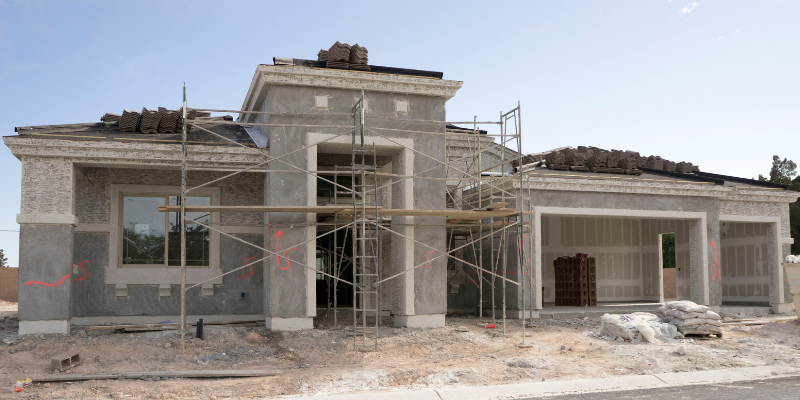
In Washington state’s real estate market, selling a home with code violations can be challenging, but it is still achievable. With a median home price of $643,700 and a median sale price of $575,000, many homeowners sell properties with issues each year. While your neighbor may have sold quickly and you are facing violation notices, you are not alone. Many homeowners across Washington handle this successfully. From Seattle’s Capitol Hill to Tacoma’s Hilltop, homes with code violations are regularly bought and sold. These issues don’t make a property worthless; they simply change your selling approach.
Complete Guide to Selling a House with Code Violations in Washington State
It is possible to sell a house in Washington with code violations, but the process is more complex. Financial pressure is pervasive; approximately 1 in 6,274 homes in Washington received a foreclosure notice in September 2025. Code violations increase complexity, but they do not limit your options.
Washington state’s real estate market remains competitive despite various obstacles. Home sales increased from last year, with 7,127 homes sold in March 2026 and 7,009 in 2025. There is a high demand for homes in the suburbs and, in general, for homes priced statistically. Even if your home has violations, it can still contribute to the number of homes sold.
What is important is the homeowner’s knowledge of the market. Many home buyers are used to seeing homes move-in ready. However, real estate investors, home flippers, and cash buyers are seeking out homes with issues. They see opportunities in value increases. Many of the obstacles in a standard home sales can be bypassed if sold to a home cash buyer.
Selling a house with code violations in Washington is still possible through a cash offer. While traditional buyers may hesitate, investors and cash buyers actively look for properties like yours. Contact us today to get a fast, fair cash offer and sell your home as is, no repairs, no delays.
Understanding Washington State Building Code Violations and Their Impact on Property Sales
Building code violations occur when a property fails to comply with local laws that set minimum safety and construction standards. Here in Washington, almost all cities and counties have construction codes that are modeled after the International Residential Code. Each code establishes a minimum level of safety for those who occupy the building. Violations are usually discovered during an inspection or while a building permit is being issued.
Some of the violations I see most frequently are building additions that don’t have permits, outdated systems, like electricity and plumbing, that fall below the current code standards, modifications of a building structure that have been made without a permit, and, as regulations have changed, some of their code violations have been ‘grandfathered’ in.
Government regulations require disclosure of any violations of zoning rules, construction code requirements, or property-addition restrictions, including any unrecorded liens. This disclosure requirement protects both you and the buyer. Failure to disclose can lead to legal and financial consequences.
Each type and level of your violation will impact sales differently. Small problems can drop a sale price by a few thousand, while major violations can notoriously decrease your property value by 10-20% and even greater depending on how much repairs would cost or the degree of safety concern. This can affect how buyers finance their purchases or how lenders approve financing. Buyers can use violations to their advantage in negotiations.
Types of Common Building Code Violations That Affect Home Sales in Washington

Washington homeowners regularly face several types of violations. Each category affects your sale differently.
Electrical violations: These include outdated electrical panels, knob-and-tube wiring, and unpermitted electrical work that create safety concerns. Modern buyers often expect updated electrical systems, especially in older neighborhoods like Fremont or Georgetown. These issues can also increase insurance costs or even prevent coverage until corrected.
Plumbing violations: These include outdated pipes, improper drainage, and unpermitted bathroom additions. Many older homes in Seattle still have galvanized pipes that may need to be replaced. Left unaddressed, these problems can lead to leaks, water damage, and mold growth over time.
Structural violations: These include foundation issues, unpermitted room additions, and modifications to load-bearing walls. These typically carry the highest repair costs and have the greatest impact on a home’s sale price. They may also raise major red flags during inspections and lender appraisals.
Fire safety violations: These include missing smoke detectors, blocked egress windows, and inadequate ventilation. These issues are often required to be corrected before closing, regardless of buyer type. Failure to comply can also result in immediate safety hazards and legal liability.
Zoning violations: These occur when a property is used in violation of local land-use regulations, such as converting garages or basements into living spaces without approval, running unpermitted home-based businesses, or exceeding height, setback, or lot coverage limits. In Washington, cities like Seattle strictly enforce zoning rules. Violations can delay sales, require costly fixes, or limit buyer financing due to lender concerns.
Permit Issues and Unpermitted Work: Selling Challenges in Washington State
Future liability and sale complications can arise from any unpermitted work. In Washington, the majority of structural, electrical, and plumbing changes require permits, and such changes must be documented by law when selling a home. Many buyers will be discouraged from the purchase, but, arguably, protecting both the seller and the buyer is more important. However, limited negotiation and a smaller buyer pool can be the repercussions of this disclosure.
Examples of this type of work include remodeling a bathroom or kitchen that involves plumbing and/or electrical work, finishing a basement, converting a garage, and constructing decks and patios. Unpermitted work will usually be identified during a property inspection or when a buyer completes their due diligence. As a result of an inspection, buyers typically will ask for a better price or request that the necessary repairs be done.
While retroactive permitting is sometimes possible, it is usually costly and time-consuming, requiring plans, fees, and inspections that can run 200–300% higher than original permit costs. Some buyers may still proceed with price adjustments and full disclosure, but many walk away, while cash buyers and investors are generally more flexible. In many cases, resolving permits before listing can significantly improve marketability.
Highest Offer Real Estate offers a cash purchase solution for homes with unpermitted work, allowing sellers to avoid costly retroactive permits, delays, and buyer concerns. Buying as-is provides a faster, more certain sale without repairs, contingencies, or the risk of transactions falling through.
Washington State Municipal Code Enforcement Process and Timeline for Violations
Knowledge of Washington’s code enforcement process lets you respond to violations more effectively. Your case usually starts with a complaint or an inspection. From there, investigation, documentation of the violation, and an issuance of a notice to comply, usually with a deadline, follow. Understanding your rights early can help you prevent issues from developing.
Usually, minor infractions have a 10- to 30-day compliance deadline, while more serious issues may have a shorter deadline. Extensions might be approved depending on the justification and communication with the enforcement officer. Penalties for non-compliance can range from 100 to 500 dollars, and can reach 1000 dollars or more for each day the non-compliance continues. Higher, more severe penalties will be imposed for repeat violations.
You should document all communications with enforcement officers, photos, and all violations for which you are ticketed. You may get more leniency for showing you are trying to correct violations, but you may get more definitive help from a contractor or local government office about what to correct.
If you disagree with a violation, you can appeal through administrative hearings or court, though this doesn’t pause correction deadlines. Some cities also offer payment plans or hardship assistance programs, including limited financial support for low-income homeowners through community development funds. Acting quickly improves your chances of a favorable outcome.
Municipal Liens and Code Violation Fines: Impact on Property Title Transfer
Liens can be placed on your property for unpaid code violation fines. You must clear these liens before you can sell your property and transfer with a clean title. If they remain unresolved, they can halt the sale. This can severely hinder your ability to negotiate on the sale.
Violations become part of the public record and show up in title searches. Title companies generally will not insure properties that have unresolved liens. This can delay or derail transactions even after a buyer is already under contract. This lack of insurance can cause many buyers to walk away from transactions.
Liens increase daily by the amount of the daily fine. One small repair needed or one repair related to the violation can add thousands if not resolved. In certain situations, additional fees and interest accumulate over time as the total amount increases. Property owners often don’t expect costs to reach this level so quickly.
Usually, once lien issues are resolved, fines can be reduced or payment plans established. Buyers can still offer on a property even with liens, but unavoidable costs can significantly reduce the offer. This is a clear advantage of timeliness in resolving lien and compliance issues, particularly where informal, early negotiations occur with the City.
Washington State Seller Disclosure Laws for Code Compliance Issues
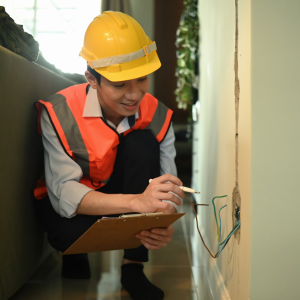
Washington State requires sellers of residential property to disclose material facts using Form 17, which must be delivered within five days after mutual acceptance. Code violations are considered material facts and must be disclosed. This requirement allows buyers to assess properties before making a final decision. Ensure disclosure is made at the right time to keep the transaction moving.
Disclosure is for buyers to know all known problems with the property, such as property defects, environmental issues, and permit or code violations. Though a seller does not know they are legally admitting to having caused these problems, it reduces the likelihood of litigation against the seller. This also applies to not-so-bad problems and/or repairs. Buyers are supposed to concentrate on this before making the final purchase.
Disclosures must be complete and truthful. Hiding known problems or answering “unknown” when you actually know the answer can lead to lawsuits, contract cancellation, and financial penalties. Failure to disclose properly results in buyers winning most court cases. Real estate experts can facilitate compliance and limit risk. Disclosing information in a timely and honest manner will lead to quicker sales with fewer irritants and issues in the after-sales context.
Pre-sale Home Inspections: Identifying and Addressing Code Violations Before Listing
Getting your own inspection before listing your property gives you a clear strategic advantage. Before buyers bring in their inspectors, you will know which common inspection problems are likely. This will allow you to plan your sale and identify issues early. This will let you proceed with the sale with more confidence and from a more advantageous position.
Inspectors usually identify code violations and highlight safety issues or other items in disrepair. If these issues are discovered by professionals early, you will know which need to be addressed and which are minor and can be left unattended, and you can appropriately list your home to sell at or near its true value and condition.
Pre-listing inspections typically cost between $400 and $600, but they can save you thousands in negotiations later. Small, high-return fixes like installing GFCI outlets, adding smoke detectors, or repairing minor plumbing issues may cost only a few hundred dollars yet prevent larger price deductions. On the other hand, with major structural or system problems, you are often better off with price changes or selling as-is, as repairs do not usually add value when the property is sold.
Cost Analysis: Fixing Code Violations Vs. Selling As-is in the Washington Real Estate Market
Financial analysis is critical to the repair-versus-as-is decision and should not be based on rough numbers. It entails much more than the potential resale value against repair expenses. Along with repair costs and resale value, you must consider the costs and impacts of delays for final inspections, local code enforcement risks, negotiated settlements, and financing.
Agents report that homes with code enforcement problems usually sell 10 to 20 percent below market value, and the discount is determined by the severity and visibility of the problem. In some cases, this discount is smaller than the total cost of repairs, especially when you factor in contractor fees, permits, and the uncertainty of achieving full ROI on upgrades.
By contrast, major violations costing more than 5 to 10 percent of the home’s value are usually better handled as-is from a financial standpoint. Large-scale repairs rarely return full value in a sale context, and buyers often reprice aggressively to account for perceived risk, even after improvements are completed. In addition, lenders and appraisers may still flag the property.
Repairs can delay a sale by weeks or even months due to scheduling, permitting, and inspections, while as-is sales typically move much faster and reduce carrying costs. Market conditions further influence the outcome: in strong seller’s markets, buyers are often more willing to accept defects in exchange for availability, while in buyer’s markets, competition tends to force either repairs or deeper price reductions, particularly among investor home buyers in Washington, or as-is sales.
Negotiating Sale Price Reductions for Properties with Outstanding Code Violations

With a property that has violations, you need a solid pricing strategy to attract buyers’ interest while also protecting your investment. Proper pricing on your side can keep your property from sitting on the market and reduce your investment value. Pricing can also dictate the interest you draw and the offers you get. Positioning your property correctly can drastically change the sale outcome.
Begin with your own studies of similar problem-riddled properties with which you can compare sale prices. This gives you an idea of realistic prices and provides negotiation starting points. Consider offering repair credits rather than an outright price drop, hoping buyers will repair the issues and that you will retain the price you wish. This is the way to make your listing the better option.
Multiple approaches may work depending on your situation, pricing aggressively for quick offers or listing at market value and expecting negotiations. Buyer financing also matters, since many traditional lenders avoid homes with major safety issues or code violations, limiting the pool to cash buyers or renovation loans. Professional representation can help navigate these dynamics and guide more effective pricing decisions.
Working with Code Violation Attorneys and Real Estate Professionals in Washington
When it comes to violations of that complexity, hiring the right team is likely to reduce the risk of legal problems, avoid costly mistakes, and save money in the long run. Real estate attorneys handle disclosure, lien, and contract issues within the scope of the law, given Washington’s restrictive legal framework. Code enforcement attorneys will also manage contract issues at the municipal level, may even fine municipalities, and manage appeals or settlements.
Real estate agents who actually work with distressed properties know how violations impact pricing and marketability. Property inspectors are critical at the beginning of the process, as they capture all code-related issues using an inspection tool and a pre-listing. They ultimately help ensure nothing is omitted that could cause a sale to collapse or delay a quick sale.
Contractors who know the code bring an added advantage: they can provide rational fixes for work violations and cost estimates. These owners rely on the experts’ integrated approach to resolve legal and harmful economic and market (physical) issues as efficiently as possible. Licensed and bonded offers are, in effect, a positioning device that helps the owner maintain a fair price for the work.
Alternative Selling Options: Auction Sales and Wholesale Buyers for Violation Properties
Traditional listing isn’t your only option. A cash-for-houses company in Tacoma and other Washington cities can also provide a fast, as-is sale alternative, especially for properties with violations. Alternative selling methods can work well for properties with issues. Real estate auctions, for example, attract investors and cash buyers seeking transactions, with auction houses handling marketing and competitive bidding. These methods can also shorten the time a troubled property stays on the market.
There are multiple auction types to consider. Absolute auctions, as the name suggests, guarantee a sales at any price. Reserve auctions, on the other hand, have buyers set the minimum sale price. Another option is wholesale buyers; they buy properties at discounted rates, as well as at an even lower offer, and sell the properties to investors at a slight profit and also guarantee a speedy closing. You can also enlist experienced investors and/or brokers to help you value your property more accurately.
iBuyers are also expanding into distressed properties, providing instant offers and quick transactions for qualifying homes. Estate sale companies can handle both real estate and personal property, which is especially useful for inherited properties with multiple issues. These options often prioritize convenience and speed, but eligibility requirements and service fees can vary widely.
Post-sale Liability Protection: Legal Safeguards for Washington Sellers with Code Issues
Protecting yourself from post-sale liability requires strong documentation and full disclosure. Washington law offers some protection if you follow proper procedures, but only when you disclose all known violations. “As-is” clauses may limit liability for property condition, but do not replace disclosure duties or protect against fraud claims. Home warranties, title insurance, and professional representation add further risk protection through proper documentation.
The Washington housing market shows mixed conditions for sellers with violations. In March 2026, the median days on market were 31, up 6 days year over year, showing a slight cooling. Foreclosure filings also increased, creating more opportunities for investors and cash buyers willing to take distressed properties.
Financing conditions are shaping buyer behavior. With 30-year mortgage rates around 6.5% in late 2025, many buyers face tighter budgets and increasing cash transactions. Regional differences matter: Seattle and Bellevue remain competitive, while Spokane and Yakima offer more flexibility. Seasonal trends still apply, with spring and summer bringing more activity than winter.
Properties with violations often sell better when targeted to the right buyers rather than traditional ones. Being upfront about issues reduces friction and attracts investors. Transparency builds trust and can lead to faster, smoother transactions even in a slower market.
Selling a house with code violations requires different strategies than a standard property, but it’s still possible. It’s about understanding your options and choosing what fits your situation. Washington’s real estate market continues to show strong housing demand, so your property still has value. The question isn’t whether you can sell, but how to do it most effectively. Working with professionals experienced in distressed properties can make a big difference. Whether you choose a traditional listing, a direct investor sale, or another option, the right guidance helps you navigate the process successfully.
Frequently Asked Questions
What Happens If You Buy a House with Code Violations?
When you purchase a house with code violations, you become responsible for fixing them. The previous owner should have disclosed all known issues, but you’ll need to work with local building departments to resolve them. Most violations require permits and inspections to bring the property into compliance, and costs can range from hundreds to thousands of dollars, depending on the severity.
How Long Are You Liable After Selling a House in Washington State?
In Washington state, your liability for undisclosed material defects can extend for several years after the sale, depending on the issue and the statute of limitations. However, if you properly disclose all known problems and sell the property as is, your liability is significantly reduced. The key is to provide complete and honest disclosure on Form 17 and to document what you shared with the buyer.
What Is the 3 3 3 Rule in Real Estate?
The 3 3 3 rule suggests that in the first 3 days on the market, you’ll get 30% of your total showings, and in the first 3 weeks, you’ll receive 60% of your offers. This rule helps sellers understand market timing and pricing strategy. For properties with code violations, this timeline might extend since you’re targeting a more specific buyer pool, but the principle still applies to measuring initial market response.
What Devalues a House Most?
Major structural issues, foundation problems, and serious code violations typically reduce a home’s value the most. In Washington, outdated electrical systems, unpermitted additions, and hazards such as mold or lead paint have the greatest impact. Location factors, such as being near busy roads or industrial areas, also lower value but can’t be changed, unlike many code issues that can be fixed or disclosed.
If you want to talk through your options, Highest Offer Real Estate is here to help. No pressure, no obligation, just an honest conversation about what might work best for your specific circumstances. Sometimes having someone who’s been through this hundreds of times can help you see solutions you didn’t know existed. Your house isn’t broken, it just needs the right approach to find its next owner. Contact us at (253) 201-3000.
Helpful Washington Blog Articles
- How to Sell a House without A Realtor in Washington
- How to Sell a House in Foreclosure in Washington
- Selling a House during Divorce in Washington
- Selling a Probate House in Washington
- Selling a House With Water Damage in Washington
- Selling Your Washington Home with Code Violations
- Can You Sell a House With Asbestos in Washington
- Who Pays Closing Costs When Selling a House in Washington
- Can You Sell A House With A Lien In Washington
- Selling a House That Needs Repairs in Washington
- Cost of Selling a House in Washington
- Capital Gains Tax on Real Estate in Washington
- How Does Selling a House With a Mortgage Work in Washington
- Selling A House With Solar Panels In Washington
- How To File A Quitclaim Deed In Washington