
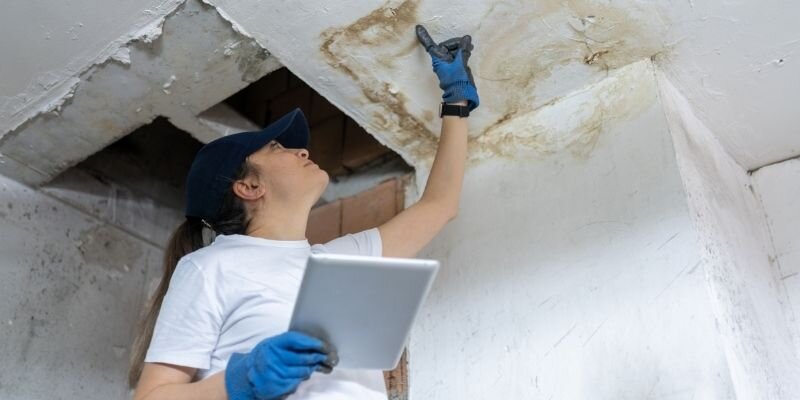
Your basement flooded last winter amid atmospheric river storms. You’re staring at watermarks on the walls and wondering if anyone will buy your house. After buying Washington properties for over a decade, I can tell you that water damage doesn’t make your home worthless. However, you must change your sales strategy.
Washington’s rainy environment and flooding risk make Seattle, Tacoma, and Bellevue homeowners especially sensitive to water difficulties. Our notorious Pacific Northwest weather and old infrastructure in Capitol Hill and Fremont make water damage more common than most people realize. Seattle alone has hundreds of annual claims due to severe rain and plumbing issues.
Most real estate professionals won’t tell you: the right buyer wants your water-damaged home. Cash buyers often look for damaged properties because they see potential. Knowing how to navigate disclosure laws and avoid pricing mistakes is crucial.
Common Causes of Water Damage in Pacific Northwest Homes
Washingtonians sell water-damaged houses every week. Flooding costs this state more than any other natural hazard, and the Department of Ecology puts the average Washington flood insurance claim between 2006 and 2019 at $23,500.
We’re hit heavily by atmospheric rivers. These tight bands of moisture bring tropical humidity into our neighborhoods, turning basements from Bellingham to Olympia into pools. Rain gauges across the Whatcom County foothills logged 7 to 9 inches in the 72 hours before the November 2021 flood crested. That much water would overwhelm any drainage system.
Another problem is your crawlspace. Most Kirkland and Redmond homes have crawl spaces unsuitable for our rainfall. Mold and structural damage result from poor ventilation and moisture. Foundation problems follow, especially in older communities with inadequate waterproofing.
Plumbing breaks year-round. Seattle and Tacoma homes built before 1960 often have antiquated pipes. Galvanized steel pipes rust and limit water flow in many of these properties. These pipes finally break, not simply trickle. They overwhelm entire floors.
Roof leaks turn up every winter. Washington roofs suffer from moss, aged shingles, and ice dams during cold periods. Clogged gutters from fallen leaves mean water gets into areas it shouldn’t.
Foundation Water Damage Signs Every Homeowner Should Recognize
Foundation problems don’t necessarily look like damage. They may begin with subtle symptoms that owners may not detect immediately, and left alone that moisture can turn into code violations in the house.
One thing to check for is a chalky white deposit on basement walls called efflorescence. Moisture migrating through the foundation, particularly along the wall bases or where the floor meets the wall, may cause this. Horizontal cracks broader than a quarter-inch can also be worth watching.
If you smell something musty in a basement or crawl space, it could be a sign of too much moisture. These smells may sometimes be detected before any physical indications appear.
Water markings or dark streaks on foundation walls may be signs of previous moisture intrusion, such as water coming through windows or mortar cracks after a hard rain. Even older stains may indicate spots that deserve deeper scrutiny.
Mold thrives in areas of high humidity, often exceeding 60%. Using a hygrometer can assist in tracking indoor humidity and pinpointing potential moisture issues.
After large storms, it can be helpful to check if water is pooling around your foundation. Standing water can point to drainage problems, and in a storm-damaged house, those problems tend to show up in the foundation later on.
Plumbing System Failures and Emergency Water Damage Response
Washington house pipe bursts are serious. Depending on pipe length and accessibility, sewer line replacement costs $3,000 to $25,000. If you don’t respond fast to the leak, the cost continues.
Cut your main water supply immediately. Every minute counts when water floods your home. The main shutoff valve is normally in the basement or utility room where the water line enters your home.
Take images and videos before cleaning. Insurance companies require damage documentation, which you’ll need to sell your home. Wide images of the impacted areas, then close-ups of wall, floor, and object damage.
Remove standing water within 24–48 hours to prevent mold. Rent industrial fans and dehumidifiers. In Washington’s humid environment, mold can grow in 24 hours, making water damage cleanup more expensive.
Report the occurrence to your insurer within 48 hours. The average U.S. water damage insurance payment is $11,605, but you must file your claim soon to maximize coverage.
Keep all emergency repair and cleanup receipts. These fees may be covered by your insurance claim and will be crucial when you sell the residence.
Roof Leak Damage Impact on Home Market Value

Roof leaks can affect more than just the appearance of your ceiling. When buyers notice signs of roof damage, they often anticipate costly repairs and additional maintenance issues.
Homes with water damage may sell for less than comparable properties, with the impact depending on the extent of the damage and how quickly the issue was addressed. Severe water damage cases can reduce buyer interest significantly, while minor roof leaks that are repaired promptly typically have a smaller effect on value.
Ceiling stains can also raise concerns for buyers, as they may suggest underlying moisture or structural issues. Repairing both the source of the leak and any visible cosmetic damage can help improve buyer confidence.
Roof leaks may also damage insulation, reducing energy efficiency and increasing utility costs. In some cases, wet insulation needs to be replaced to restore proper performance.
Long-term leaks can affect structural components in the attic or roof decking. Professional home inspectors are likely to identify these issues during the inspection process, which may influence negotiations.
In some situations, homes with roof damage or houses with mold resulting from prolonged leaks may appeal to cash buyers who are experienced with renovation projects. Companies like Highest Offer Real Estate specialize in buying homes in as-is condition and can often close quickly.
Basement Flooding Solutions and Waterproofing Investment Returns
Washington has frequent basement flooding, so prepare before water damage.
Interior waterproofing is cheaper but less protective. Basement sealants and interior drainage systems cost $3,000–$7,000 and are appropriate for minor moisture issues, not flooding.
Exterior waterproofing is more expensive but provides better protection. Full foundation excavation costs $15,000–$30,000 and treats water intrusion at its source. In flood-prone Kent and Renton, this enhancement may increase home value.
Many Washington homes benefit from sump pumps. A good sump pump system costs $1,000–$3,000 and can prevent water damage. Battery backup systems, which cost $500 to $1,000, safeguard against storm-related power disruptions.
French drains carry water away from the foundation. Installation expenses range from $3,000 to $8,000, depending on property size and complexity. These systems are ideal for sloped or poorly drained homes.
If you expect to sell your property within two years, major waterproofing may not increase the price. It may be better to sell the property as-is to a buyer willing to make improvements.
Hardwood Floor Water Damage Repair vs Replacement Economics
Water can severely damage hardwood flooring, forcing homeowners to decide whether to repair or replace.
Hardwood cupping and crowning indicate moisture imbalance. Crowning raises the center, whereas cupping raises the edges. When moisture levels return to normal, mild cupping may resolve, but severe damage usually requires professional treatment.
Water-damaged hardwood generally costs $3–8 per square foot to refinish. This approach works best when the damage is surface-only and the wood structure is stable. If the subfloor is good, expert refinishing can restore the flooring to near-original.
Subfloor water damage frequently requires replacement. Hardwood flooring installation costs $8–15 per square foot, including materials and labor. Engineered hardwood and exotic woods cost more.
Subfloor replacement can skyrocket project expenses. Replacement of damaged subflooring ensures the new flooring is solid and safe. The project usually costs $2–$5 per square foot more.
Replacement is safer for mold under hardwood flooring. Removal of damaged materials reduces health hazards; surface cleaning alone will not eliminate underfloor mold.
Many cash buyers prefer to install their own hardwood floors after buying a home with water damage. These buyers may have contractor contacts who cut remodeling prices and are familiar with renovation expenditures.
Thinking about selling water-damaged property? Get a fair cash offer and sell your home for cash in Washington quickly and stress-free.
Water Damage Assessment and Property Valuation in Washington State
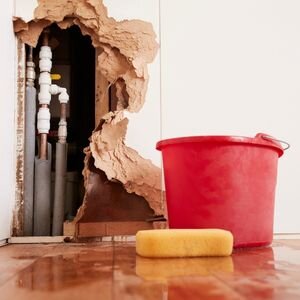
A proper property appraisal is based on a professional water damage evaluation. You don’t know the extent of damage and the cost of repairs, so you can’t accurately market your residence.
Structural engineers will examine the damage to the foundation and frame from the flood. Their studies cost between $500 and $1,500 but provide critical documentation for insurance claims and property transactions. The papers also mention safety concerns that need to be addressed before people can move in.
Moisture mapping can expose concealed water damage within walls and under flooring. Professional moisture meters can detect high moisture readings that indicate ongoing problems. This testing will cost $200-$500 but will save you surprises during buyer inspections.
It takes a certain knowledge base to do a comparative market analysis (CMA) on water-damaged properties. Work with a real estate professional on the CMA. They will compare your house to similar homes sold recently in Washington so you can price it competitively.
Appraisers value water-damaged homes by subtracting the cost of repairs plus a “stigma” factor of up to 20%. That stigma is buyer resistance to a home with a known history of water damage, even after the repairs are finished.
Baseline repair costs are provided by professional restoration estimates for valuation purposes. Licensed contractors charge $100 to $300 for a detailed estimate that breaks out materials and labor. These estimates will help you set realistic pricing expectations for your property sale.
At Highest Offer Real Estate, we buy houses in Tacoma and surrounding cities, making it fast and effortless for homeowners to sell. Sellers in the river valleys call us after most wet winters, which is why we also buy houses in Puyallup and work as cash home buyers in Kent.
Restoration Timeline and Budget Planning for Water-Damaged Properties
Water damage restoration has a pretty predictable timetable, but expenditures can add up quickly if you don’t prepare and act swiftly.
Water cleanup should begin immediately, within 24 to 48 hours, to help avoid mildew growth and further damage. Professional water extraction services usually charge between $3 and $7 per square foot and employ industrial-grade pumps, air movers, and dehumidifiers. Delays at this stage often mean higher restoration costs later.
Usually, the drying and dehumidification procedure takes anywhere from 3-7 days, depending on the severity of the water intrusion. Industrial fans and dehumidifiers typically rent for $50-$200/day. Professional monitoring gives peace of mind that moisture levels are reduced to safe levels before work begins.
Complete demolition and debris clearance when the areas are completely dry. The expense to clean up water damage to drywall, insulation, and flooring normally ranges from $2 to $6 per square foot. You might have to pay an extra $300-$800 in disposal costs, depending on how much stuff you have and what the local disposal rules are.
If mold contamination is identified, the project timetable may be extended by several days for treatment. Professional mold remediation services often cost from $500 to $6,000, depending on the size of the area and the amount of mold contamination. Post-remediation testing may also be required before reconstruction can commence.
Depending on the extent of the damage, reconstruction and repair can take from 2 to 8 weeks. Basic drywall repair and paint costs usually range from $3 to $8 per square foot. Flooring replacement, plumbing repairs, and electrical work can add a lot of time and expense.
It’s recommended to add an additional 20% to 30% to your water damage restoration budget for unforeseen problems that may occur throughout the repair procedure. Hidden structural deterioration, hidden mold growth, and difficulties behind walls are regular discoveries in restoration operations.
Insurance Claims Process for Water-Damaged Properties Before Sale

Water damage insurance claims are difficult coverage decisions with a big impact on your selling choices and timing.
Water damage is usually covered when it’s caused by unexpected and unplanned incidents such as burst pipes or appliance malfunctions. Standard homeowners’ insurance policies cover the vast majority of unintentional water damage, such as that from broken pipes or appliance leaks.
Coverage does not extend to flooding from natural sources, slow leaks, or maintenance-related problems. Natural floods, carelessness, or lack of maintenance can cause damage that typically requires supplementary flood insurance, particularly in high-risk regions such as Redmond, Monroe, and Bonney Lake.
Claims paperwork should include thorough images, repair estimates, and assessments from professionals. Insurance adjusters want evidence of damage size and cause to assess coverage. Missing documentation could cut into compensation or cause claim denials.
Claims are settled in 30 to 90 days, depending on the intricacy of damage and any arguments about coverage. Simple burst pipe damage claims are easier to resolve, but sophisticated structural damage claims involve a lot of inquiry.
Disclosure requirements following insurance settlements persist. Washington law requires sellers to complete the Seller Disclosure Statement (RCW 64.06) and tell the truth about things like prior water damage and repairs. Buyers will want to see paperwork, such as claim numbers, contractor invoices, and images.
Pre-sale Inspection Checklist for Properties with Previous Water Issues
During pre-sale examinations of properties with water damage, particular vigilance is required to identify locations where issues are widespread or remain undetected.
Foundation examination: Moisture incursion points and structural integrity. Watch for efflorescence, crack patterns, and indications of continuous moisture problems. Professional foundation examination costs $300-$600, but it is vital paperwork for buyers.
After water exposure, inspect the electrical system to guarantee safety. All outlets, switches, and panels in previously flooded areas should be professionally inspected. Electrical safety certification can run $200-$500 and be required by insurance carriers.
Plumbing System Check: Risk of leaks and water pressure issues still exist. A professional plumbing examination before you list your house provides you with a realistic estimate and helps you prevent surprises when the buyer has the home inspected.
HVAC system inspection confirms adequate operation and air quality post water damage. If not effectively addressed, persistent issues include ductwork contamination and equipment damage due to moisture exposure.
Areas identified with moisture testing throughout the house can recur with water damage. A professional moisture map costs between $200 and $500 and provides a baseline record that can be used for future reference.
Testing for mold in areas previously affected is a must for remediation success. Air quality testing is required for health and safety documentation for property transfer and costs $300-$800.
Cash Buyers vs Traditional Financing for Water-Damaged Homes
The landscape of water-damaged property financing is highly skewed towards cash transactions over regular mortgage financing.
Properties with substantial water damage sometimes lose financing choices due to conventional lending constraints. Sometimes, buyers can’t acquire traditional financing because of serious foundation problems, since many lenders need proof of fixes before they will approve loans for homes with structural issues.
Water-damaged properties sometimes cannot fulfill certain property condition standards required for FHA and VA loans without renovations. Lenders need professional inspections and completion of repairs before funding for these government-backed loans.
Cash buyers don’t have financing contingencies or required inspection repairs. Buyers who specialize in damaged homes close quickly, usually with an all-cash offer, which lets you skip repairs altogether. This avenue can make things easier and speed up the transaction, but the net price is usually lower than that of an open-market sale.
Appraisal issues affect the traditional financing of water-damaged properties. Often, appraisers will need repairs to be finished or a large price drop to account for damage and stigma factors. With cash buyers, there is no appraisal, so that hurdle is gone.
Cash transactions have a huge advantage in closing times. Traditional financing takes 30-45 days to process a loan; cash buyers can commonly close in 10-14 days. This speed advantage is especially important for sellers under financial pressure or with deadline restrictions.
Selling your property? We make the process quick, easy, and fair. Reach out to Highest Offer Real Estate today.
Alternative Sale Options for Severely Water-Damaged Washington Properties
Water-damaged houses frequently require non-traditional sale methods to enhance value and minimize seller risk and investment.
As-is sales remove repairs and deadlines. You can sell the home “as-is” without repairs if you disclose the damage accurately under the Washington Seller Disclosure. This method saves money on repairs and speeds up the sale, but it usually lowers the price.
Cash buyer networks offer fast closings on distressed properties. Companies like Highest Offer Real Estate specialize in buying properties with water damage, foundation concerns, and other challenges that impact regular sales.
Property auctions function best when repair expenses exceed market value. Investors and contractors offer on remodeling costs during real estate auctions. However, auction companies charge 6-10% commission.
A wholesale assignment lets you sell your purchase contract to an investor before closing. This method works if you’re under contract to buy a water-damaged property but discover more damage than planned.
Owner financing may entice buyers who cannot get regular loans owing to the property’s condition. You take monthly payments instead of a flat sum at closure from the bank. Have an attorney draft the terms, because a well-built note can lift the sale price when the property and the buyer fit.
Frequently Asked Questions
How Can You Sell a House with Water Damage Successfully?
Start with a professional examination to determine damage and repair costs. You can fix up before selling or sell as-is to cash buyers and damaged property investors. No matter your strategy, Washington law requires a full report of all water damage. Work with water damage sales experts to achieve the greatest results.
Are Sellers Required to Disclose Flood Zone Designation in Washington State?
Washington sellers must list flood zones. This must be in the Seller Statement (Form 17) delivered to buyers before closing. This helps buyers understand flood insurance and risk. Past flood claims and insurance history are worth handing over as well, since buyers usually ask for them during inspection.
What Is the 3-3-3 Rule in Real Estate?
The 3-3-3 rule is a buyer checklist, not a reading of the market. It asks a buyer to bank three months of living expenses, hold three months of mortgage payments in reserve, and compare at least three similar homes before making an offer. Sellers of water-damaged houses meet it from the other side, because a buyer following that rule will often pass on a property that needs work.
What Should You Not Fix Before Selling a House?
If you plan to sell within a year, don’t spend money on structural repairs, waterproofing, or HVAC. Improved sale prices rarely cover their cost. Improve safety, utility, and aesthetics to make the house showable. Investors and cash buyers prefer to do major repairs themselves with their own contractors and add these expenses to their offers.
Selling a water-damaged home in Washington doesn’t have to be a nightmare. Yes, it’s more difficult than selling a perfect home, but it’s entirely possible with the appropriate strategy and realistic expectations.
The trick is to know what options you have. You can spend time and money on repairs to appeal to typical buyers, or you can sell as is to cash buyers and investors who specialize in these situations. Neither approach is always preferable; it all depends on your timeframe, financial circumstances, and tolerance for dealing with contractors and permissions.
If you’re intimidated by the procedure or want to explore your alternatives without pressure, organizations like Highest Offer Real Estate can deliver a straightforward cash offer depending on your property’s condition. Sometimes, the peace of mind that comes with a swift, guaranteed sale is more valuable than attempting to milk every last dollar out of a difficult scenario.
Water damage does not put your house out of reach. It moves it in front of a different kind of buyer. We’re happy to discuss your individual circumstances and what options make sense for your home. There is no pressure or commitment; just honest counsel from folks who have been buying damaged houses in Washington for years.
Helpful Washington Blog Articles
- How to Sell a House without A Realtor in Washington
- How to Sell a House in Foreclosure in Washington
- Selling a House during Divorce in Washington
- Selling a Probate House in Washington
- Selling a House With Water Damage in Washington
- Selling Your Washington Home with Code Violations
- Can You Sell a House With Asbestos in Washington
- Who Pays Closing Costs When Selling a House in Washington
- Can You Sell A House With A Lien In Washington
- Selling a House That Needs Repairs in Washington
- Cost of Selling a House in Washington
- Capital Gains Tax on Real Estate in Washington
- How Does Selling a House With a Mortgage Work in Washington
- Selling A House With Solar Panels In Washington
- How To File A Quitclaim Deed In Washington