

Looking at the broken drywall in your Tacoma kitchen, you may be wondering what to do next. The pipes under your Puyallup bathroom require repair, and your Bellevue roof may be showing its age. Selling a house that needs repairs in Washington can feel overwhelming at first. However, many homeowners are shocked to discover that they typically have more options than they thought.
I’ve been purchasing homes in Washington State for over fifteen years. I’ve seen everything from Capitol Hill condos with out-of-date electrical systems to Everett ramblers with structural issues. One thing I’ve discovered is that you don’t always need to complete every repair before selling your property.
Should You Fix or Sell Your Damaged House As-is in Washington State
The choice to restore your home or sell it as-is is seldom an easy one. Location is everything in Washington’s property market. Even a fixer-upper near Mercer Island would still generate strong offers, because buyers like the location and the property. But in a market like Centralia, the same scenario may call for another approach.
I’ve seen sellers in King County spend a lot on kitchen remodels and get less than they expected in offers. In the last few years, I’ve also worked with Renton sellers who wanted no repairs, a fair price, and a rapid close with cash buyers.
As a general rule of thumb, if the cost of the repair is more than 15% of the expected worth of your home after the makeover, then it may be more practical to sell as-is. Each circumstance is different, of course.
Big structural issues like foundation deterioration or roofing problems that impact livability often merit fixing regardless of your selling technique. Safety hazards such as malfunctioning electrical systems or gas leaks should be repaired quickly to reduce potential liability.
Cosmetic issues such as obsolete fixtures, faded flooring, or aged paint may not always be worth the cost. Most buyers would rather make those choices themselves.
The most critical element is to understand your local market. Buyer expectations in Seattle may be very different from those in Olympia, and knowing what matters most to buyers in your area helps you make a more informed decision.
Get a fair cash offer and sell your home for cash in Washington without delays or stress.
Washington Real Estate Market Conditions for Fixer-upper Properties
As of August 2026, the median home sale price in Washington was $597,504, down 2.8% from a year earlier. Even after that dip, most owners of repair-needed homes still hold real equity.
Sales cooled over the same stretch, with 7,102 homes sold in August 2026 against 7,308 a year earlier. Sellers of houses that need repairs or improvements still benefit from steady buyer activity.
Inventory growth matters too. More active listings give buyers additional options, so fixer-upper houses have to be priced more carefully.
This move can benefit sellers of damaged or outmoded properties. During low inventory, buyers often overlooked condition issues to get a house. With more properties on the market, buyers become more discriminating about quality, pricing, and value.
Seattle remains one of the state’s costliest markets, though Bellevue and Mercer Island run higher still. The value of location keeps fixer-upper homes in many Seattle neighborhoods appealing.
Financing affects fixer-upper demand. The 30-year fixed mortgage averaged 6.95% in mid-September 2026. When borrowing costs run that high, some buyers get priced out of move-in-ready homes and start looking at properties they can fix up over time.
Significant regional variances exist in Washington. In King County, buyers behave differently from those in Pierce or Snohomish. Investors in King County actively look for homes that need repair. Rural markets draw fewer buyers overall, though the ones who do show up face less competition.
Cost Analysis: Repair Expenses Vs. Selling Price in Washington
Let’s take a look at the figures involved. A general rule of thumb is to set aside around 1% of your home’s value each year for maintenance and upkeep. For example, if you have a home in Sammamish that is valued at $900,000, your annual maintenance charges may average out to something like $9,000.
But when a house has deferred maintenance or needs major fixes, costs can quickly add up. In Washington State, a mid-range kitchen makeover costs $30,000 to $75,000, and bathroom renovations are $10,000 to $40,000 per bathroom.
For many homes, these expenditures build up quickly. For example, a $500,000 home that requires a complete kitchen and bathroom overhaul can run $40,000 to $115,000, roughly 8% to 23% of the property value, only to bring it to current market standards.
Whole-house renovations can cost $100,000-$250,000 or more, depending on the size and age of the home and the amount of work needed. In such cases, it might be more financially feasible to sell your property as-is.
One common difficulty for sellers is the underestimation of repair expenses. The figures may look to be in control at first glance, but the hidden problems come to light. If you have problems with dry rot, pest damage, or foundation issues, restoration costs can be much higher.
Washington might also have high labor expenditures. The hourly rates for licensed contractors, electricians, plumbers, carpenters, and other specialty professions often run $50 and more than $150 an hour, depending on the scope and complexity of the project.
A good technique to analyze your options is to compare the numbers carefully. Begin by determining the worth of your home as it exists today. Then acquire repair estimates from competent contractors and include a contingency fund for unanticipated problems. Then, weigh the entire estimated investment against the probable rise in resale value.
If the expected profit isn’t worth the expense, selling as-is may be the more efficient choice. Companies like Highest Offer Real Estate buy homes in all sorts of circumstances, which can help homeowners sidestep lengthy remodeling timetables and expensive repair fees.
Major Home Repairs That Impact Resale Value in Washington Markets

Not all repairs will influence the value of your home equally. Some upgrades make the property more marketable, while others bring the property up to the desired standards. Knowing the difference can help homeowners make better financial decisions.
Foundation difficulties are generally one of the biggest worries buyers have. Foundation problems are typical in Washington’s moist environment and can be a worry for structural stability and future maintenance costs. If your home has obvious cracks or settling, it’s a good idea to check in with a structural engineer to have a better understanding of the problem before you decide to fix the issue or sell the property as-is.
Another key factor is roof condition. For example, the cost to replace a roof in Kirkland or Everett can be between $15,000 and $30,000, depending on the size of the house and materials utilized. A new roof will raise buyer confidence, but the resale value may not always cover the expense of replacement.
Electrical and plumbing also matter, because they affect safety and the ability to get financing. For example, in older Washington properties, vintage electrical panels or original plumbing systems (think Seattle and Mercer Island) can have buyers thinking about future repairs and upkeep costs.
The heating and cooling systems are also closely attended. In Washington’s climate, you need a robust heating system. Upgrading an older HVAC system can cost anywhere from $8,000 to $15,000, but the bump in property value is usually less impressive.
Water damage might also affect buyer perception. Even when repaired, obvious stains or traces of previous leaks can cause concerns about mold, moisture penetration, or hidden structural damage. Good transparency and realistic pricing can be many times more effective than trying to do major cosmetic cover-ups in many circumstances.
Cosmetic upgrades like paint, carpeting, and fixtures are often not as important as homeowners think. Large investments in cosmetic upgrades may not necessarily pay off well before reselling, since many buyers would rather make those design decisions themselves.
Foundation Problems and Structural Issues: Repair or Sell Decisions
Foundation difficulties are a worry for buyers, particularly in Washington State, where soil conditions are highly variable and seismic issues are part of the home market. Repairs can be tricky and expensive, depending on how bad the issue is.
Sometimes homeowners spend a lot of money on foundation repairs only to find buyers are still wary of the home’s past. Buyers may still think about the perceived risk of the property once the repairs are done.
Not all foundation problems are serious, and it is good to know that. Minor settling cracks may only need observation, but more serious structural issues like bowing walls or uneven settling typically need professional intervention to ensure the house remains safe and stable.
If your property has foundation problems, it can be useful to acquire opinions from a number of structural engineers. Some problems are worse than they seem, and some are more work than they appear. A professional assessment can assist homeowners in understanding the options available to them.
It’s often a question of financial feasibility as to whether to fix or sell as-is. If the substantial repairs are anticipated to cost more than the amount they would add to the home’s market value, it may be more prudent to sell the property as is. This may help to avoid long building times, surprise costs, and extra stress.
Seismic retrofitting has also gained importance in Washington, particularly for older homes constructed before contemporary earthquake regulations. Though not a requirement, seismic safety may be one of the factors buyers look at when considering a house, particularly in an area near known fault lines.
If your house has serious foundation concerns, a cash buyer can often be the best route to go. Buyers tend to be more skilled at renovation tasks and may be more comfortable with major repairs than the average homebuyer.
Electrical and Plumbing Repairs: Investment Vs. Return in Washington
The electrical and plumbing systems are basic and necessary aspects of a home, even though they may not be apparent until there is a problem. If you can see problems on inspection or walkthroughs, they can rapidly become a huge focus for buyers.
Older homes in communities like Fremont, Wallingford, and Queen Anne may have electrical systems that no longer meet safety standards. Buyers who consider safety, insurance, and upgrading expenses down the road may be concerned about knob-and-tube wiring, fuse boxes, little electrical capacity, or other features.
The cost of rewiring a home can range from $8,000 to $25,000, depending on the size of the home and the complexity of the job. Updated electrical systems boost safety and marketability, but don’t always translate into a similar bump in resale value. In many situations, the modifications just bring the home to the current buyer’s expectations.
You can get similar issues with plumbing systems. Older homes (constructed before 1970) may still have galvanized steel pipes, and old cast-iron sewer lines tend to deteriorate over time. Some homes built in the 1980s also had polybutylene plumbing that has earned a reputation for trouble.
A complete plumbing replacement can cost you $15,000 to $30,000 or more. Such modifications, as with electrical work, may make the property more attractive but will not always add a commensurate amount to the selling price.
Financing is also an essential factor. There are several financing programs that require the property to meet tougher standards, especially addressing health and safety issues. Some loan types require problems with the electrical or plumbing systems to be repaired before a loan can be approved, which cuts down the pool of buyers who qualify.
One practical technique is to compare the repair estimates to the expected price decrease required to sell the property as-is. Sometimes, it turns out cheaper to take a lower offer than to put the home through extensive system changes before advertising it.
But there are still a few little fixes to make a difference. Leaky pipes, low water pressure, or non-working outlets are often reasonably inexpensive changes that can make buyers feel more comfortable with the property, without a significant restoration budget.
Washington State Disclosure Requirements for Houses Needing Repairs

Washington’s disclosure rules protect buyers and provide sellers with clear obligations. In most residential transactions, sellers must provide a Seller Disclosure Statement or equivalent state-compliant paperwork providing property condition information.
These laws include “known defects.” Sellers in Washington must report known concerns. Sellers are required to disclose substantial faults they know about, but not to employ inspectors to find unknown issues.
Owners often take several techniques before listing a property. Some pre-listing inspections help sellers understand the home’s condition, while others avoid them.
Form 17, or Seller Disclosure Statement, is required of Washington sellers within five business days of signing a purchase agreement. Three business days are usually given to buyers to evaluate the disclosures and decide whether to proceed.
Material faults usually adversely impact property value, safety, or desirability. Common issues include foundation troubles, roof leaks, electrical risks, plumbing issues, and other major structural or mechanical issues. Defects must be stated even when a property is offered as-is.
Not disclosing material issues can be illegal. Buyers can sue for unreported faults if they can prove the seller knew about them and purposefully hid them.
Potential environmental disclosures apply. Federal legislation mandates lead-based paint disclosure for pre-1978 dwellings.
In many circumstances, complete disclosures ease transactions. Buyer confidence and conflict resolution can be improved via transparency.
In Washington, disclosures for items that do not immediately influence the property’s physical condition are not needed. Deadly incidents, paranormal activity, and registered offenders in the vicinity are examples.
Estimating Fair Market Value for Houses with Repair Needs
Pricing a move-in-ready property is a different ball game than pricing a fixer-upper. Comparable sales still matter, but repair costs, buyer expectations, financing limits, and local market conditions all play a part in the proper pricing.
A typical beginning point is to evaluate recent sales of comparable properties in good condition to set a probable high-end value range. From then on, the prices of repair should be carefully addressed. But often buyers want some sort of discount beyond the actual cost of the repairs because they are also taking on the extra time, uncertainty, and project management.
If a home requires about $30,000 in repairs, for example, buyers may anticipate a higher total discount to make up for the hassle and the risks of taking on remodeling work.
Location can have a huge impact on pricing strategy. In more competitive markets like Bellevue or Redmond, there are not many options. Buyers may be more ready to buy homes that require work. In more price-sensitive or slower markets, further discounts may be necessary to stimulate interest.
The kind of repairs also matters. Structural, electrical, plumbing, or mechanical problems are often perceived differently than cosmetic upgrades like paint, carpeting, or fixtures. Buyers also tend to be more concerned with problems in large systems, because the costs of repairs are more difficult to forecast.
Also vital is to think about the probable buyer pool. A home needing a lot of work may be more appealing to a cash buyer, especially if the property’s condition limits your choices for typical financing programs. This may affect the price you expect and the timeframe of the sale.
Getting a few opinions on value can aid in the price process. Local real estate professionals, appraisers, and organizations that buy houses as-is can all assist you in appraising a property’s standing in the market.
Timing should be in the equation, too. Homes that require repair usually remain on the market longer than updated homes, so when you’re determining whether to make repairs or sell the house as-is, include in the holding costs, including mortgage payments, utilities, insurance, and property taxes.
Timeline Considerations: Quick Sale Vs. Repair and List Strategy
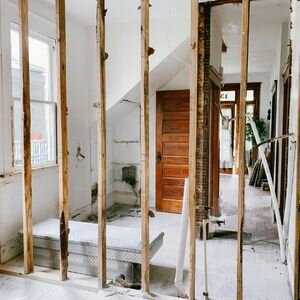
Time is money, especially if you’re paying a mortgage on a vacant property. Repairing first may boost your sale price, but it also delays the process.
The process usually involves getting contractor estimates (1–2 weeks), waiting for scheduling availability (2–4 weeks in Washington), completing the repairs (4–12 weeks depending on scope), and listing and selling the home (4–8 weeks in current market conditions).
It may take four to six months to close a sale. Homeowners pay mortgage, insurance, utilities, and property taxes. A $400,000 mortgage can cost $2,000 to $3,000 per month in carrying fees.
Repairs also involve uncertainty. Once construction begins, contractors may find other concerns. Weather delays are prevalent in Washington. Permit approvals, material shortages, and schedule issues might delay work.
Projects that should take six weeks often take months. Homeowners often face financial and construction hardship during that time.
Many timeline concerns are eliminated by selling a home as-is. A property can be listed instantly and closed in 30 days if a buyer is found. Certain cash buyers can close in two weeks or less.
There is a financial trade-off. As-is sales give speedier access to capital and minimize carrying expenses and refurbishment risks, but they usually sell for less.
For homeowners relocating for work, facing financial hardship, or handling an inherited property, selling a home as-is can be a quicker and more convenient option than making repairs to increase the sale price.
Your situation determines the choice. Consider whether you have the time, finances, and capacity to manage renovations and how comfortable you are with delays, expenditures, and project hazards.
Traditional Real Estate Professionals Vs. We Buy Houses Companies
Your choice to list your home with a real estate professional or sell to a direct buyer will impact almost every aspect of your transaction. Each choice has its perks and disadvantages, particularly when it comes to houses that require fixing.
Traditional real estate professionals contribute market expertise, pricing strategy, and broad exposure. They can assist you in successfully positioning your home, bring in qualified buyers, and handle negotiations. In Washington’s competitive property market, seasoned experts frequently have networks that can assist in generating substantial interest more rapidly.
But even if a home is being sold as-is, traditional listings usually require the residence to be tidy, safe, and accessible for showings. Sellers should also anticipate paying a commission fee, often between 5% and 6% of the sales amount at the final transaction.
The traditional way is most effective when there are few repairs needed, or when the property is in a desirable region, and buyers are willing to overlook condition issues. For example, in some areas of Seattle, the demand for location might occasionally outweigh the demand for substantial updating.
Companies that purchase homes, including well-known names like Highest Offer Real Estate, provide distinct advantages for homeowners seeking a quick and straightforward selling process. They buy homes in any state, manage all the documentation, and can finalize the sale swiftly, allowing you to avoid commissions and repair costs. Reach out to us today to discover how we can assist you in selling your home swiftly and with ease.
The price is the compromise. How much do direct buyers pay? Generally, 70% to 85% of the fair market value, depending on the condition of the home and local market conditions. But savings on maintenance, holding expenses, and fees can make up for the reduced offer price in many cases.
This option is commonly utilized for inherited properties, homes that need lots of renovations, or where speed and ease are the most important. These buyers have experience with troubled properties and can work through obstacles that could make a standard sale difficult.
Some homeowners opt for a hybrid approach, beginning with a standard listing and then looking at a direct sale if the house does not sell within a certain period. There is a chance that this technique can achieve a greater sale price and a quicker sale as a second choice.
The bottom line? It all boils down to what you value. If getting the highest sale price is your main concern and you have the time and money to get the house ready to sell, go with a traditional listing. But if speed, convenience, and assurance are more important, then a direct sale is a better fit.
Selling Your House As-is to Cash Buyers in Washington: Best Scenarios
Sometimes an as-is cash sale is best. Early detection can save homeowners money, time, and stress.
A common example is inheritance. A home you don’t want to keep, especially one that needs major repairs, is generally easiest to sell as-is. When the estate is far away or requires substantial labor, the goal is to settle it efficiently rather than maximize every dollar.
Speed trumps price in financial distress. Foreclosure, job loss, or growing debt can make a hasty sale the best approach to protect long-term finances. For example, avoiding foreclosure can improve credit and minimize financial penalties.
As-is sales are also preferred for homes requiring extensive repairs. Owners may prefer to avoid the danger, uncertainty, and time of major renovations when repair expenses reach tens of thousands of dollars. Cash buyers are excellent at significant repairs and improvements.
Similarly, relocation might cause pressure. Homeowners who have moved for job or personal reasons may find it difficult and expensive to manage a renovation remotely while paying property taxes. Selling promptly can ease the logistics and cut the financial burden.
It may be harder to sell properties with title challenges, code infractions, or structural issues through typical finance methods. Expert cash buyers can handle such issues better.
Safety and structural issues deter many mortgage lenders from financing properties. Government-backed loans like FHA and VA, as well as many conventional mortgages, require a minimum property condition. For homes that don’t fulfill those criteria, cash buyers may be best.
Cash sales are also considered by landlords selling rental properties. Properties with deferred upkeep, troublesome tenants, or complex rental histories are often easier to sell to investor buyers than on the standard market.
Avoiding repairs, contractors, and timeframes gives some homeowners a big relief. The final sale price may not matter as much as simplicity and comfort of mind.
At Highest Offer Real Estate, we buy houses in Tacoma and other cities, giving homeowners a fast and straightforward way to sell. Sellers to the south can start with our cash home buyers in Puyallup page, and sellers to the north can start with we buy houses in Everett.
Marketing Strategies for Selling Houses That Need Extensive Work
Marketing a fixer-upper differs from marketing a move-in-ready property. Selling potential implies stressing various attributes and appealing to a different buyer than selling perfection.
Despite its difficulty, photography is crucial. Professional photos should show the home honestly and accentuate its assets. Layout, natural light, architectural character, and usable outside space should be prioritized. Not misleading buyers and not exaggerating faults are equally critical.
Effective fixer-upper marketing emphasizes unchangeable features. The proximity to Seattle, Bellevue, Redmond, and Lynnwood job areas remains a major selling feature. Lot size is also important, especially in Maple Valley, Auburn, and Arlington, where larger yards are appreciated. Lifestyle elements like Capitol Hill walkability or Gig Harbor seaside access can boost attractiveness, as can scenic vistas of Puget Sound, Lake Washington, or the Cascade Mountains. Selling a house with solar panels can also work in your favor. Here, energy efficiency is a compelling asset that many buyers value, even when other systems need updating.
Pricing strategy is crucial. Overpricing a home in need of renovations can delay sales and deter serious buyers, while appropriately pricing based on condition attracts the right buyers. Buyers have several options in competitive Washington markets, making pricing mistakes costly.
Targeting the right audience is crucial. Fixer-uppers are mostly bought by investors, flippers, and renovators. Use phrases like “investment opportunity,” “fixer-upper potential,” and “property with strong upside” in marketing.
Conditions should be described transparently. Terms like “sold as-is,” “needs TLC,” and “handyman special” set expectations and exclude customers who want fully updated homes. This ensures the listing attracts renovation experts.
List descriptions should be balanced. Start with good features like location, lot size, or architectural style, then neutrally acknowledge that the property needs renovations or repairs.
Other marketing channels can supplement MLS listings. Investor networks, contractor relationships, and real estate investment clubs can match sellers with renovator buyers.
Timing also affects results. Fixer-uppers attract buyers year-round, since many are focused on investment potential rather than move-in readiness. Spring and summer are often busier.
Legal Protections for Selling Houses with Known Defects
Selling a home with difficulties involves legal precautions. Washington’s disclosure and liability rules created post-sale responsibilities.
If sellers intentionally misrepresent or omit key facts, they may be liable. The buyer may have legal recourse if they uncover concealed issues.
Limitations are set by the statute. In Washington State, concealed defect claims have time constraints based on discovery and sale. Buyers often have a limited time after identifying a fault or from the sale date.
Protection is best achieved by accurate disclosure. Document all property condition data, including past repairs, contractor records, and inspection results. These documents advocate disclosure and transparency.
Contracts using “as-is” language make it clear that the seller will not undertake extra repairs following inspection. The requirement to disclose material problems remains. When a property is sold “as-is,” the buyer accepts its condition; the seller cannot hide vital information.
Some purchase agreements benefit from acknowledging existing difficulties. It’s written proof that the buyer was notified before closing.
Legal advice can also be helpful. Washington real estate attorneys can evaluate disclosure papers and contracts for compliance. Legal issues can cost far more than this.
Insurance is important. Insurance coverage may be altered if a property is listed, unoccupied, or under contract, so check with an insurer, especially if recognized issues exist.
Also vital is keeping clear buyer communication logs. Letters, emails, and disclosures can be used as evidence in disputes.
Home warranties are offered by some sellers. Most warranties do not cover pre-existing conditions, but they can reassure buyers and decrease system failure disputes after closing.
Frequently Asked Questions
Is It Difficult to Sell a Home That Needs Repairs in Washington?
Selling an unrepaired Washington home isn’t hard, but it takes strategy and sensible pricing. Knowing your local market and targeting the correct buyers is crucial. Fixer-uppers sell in hot markets like Seattle and Bellevue owing to location value, but in other places, you need aggressive pricing to compete with move-in-ready homes.
What Is the 3-3-3 Rule in Real Estate Transactions?
The 3-3-3 rule is a buyer budgeting guideline, not a contract term. It says keep three months of living expenses saved, keep three months of mortgage payments in reserve, and compare at least three similar homes before you make an offer. Separately, buyers in Washington State have three business days to review seller disclosures and decide whether to proceed or withdraw their offer without penalty.
What Is the Most Challenging Month to Sell a House in Washington?
Weather, post-holiday finances, and decreased buyer activity make January the hardest month to sell property in Washington. However, investors and cash buyers browse year-round, making fixer-uppers an exception. During the slower winter months, sellers of properties needing repairs may have less competition.
How Long Are You Liable After Selling a House in Washington State?
Sellers in Washington State generally face nondisclosure and fraud claims for three years after the buyer discovers the problem, and breach of contract claims for up to six years. This liability applies to as-is sales if you neglected to disclose material faults. Most post-sale claims are prevented by disclosure paperwork, but purposeful concealment extends responsibility.
I’ve visited thousands of Washington State homes. I’ve seen every damage and solution, from Everett split-levels to Seattle Craftsman. Selling doesn’t need to fix everything.
Your scenario is unique. Maybe you inherited an Olympia property that needs everything. Maybe your Bellevue home has good bones but antiquated systems. Maybe you need to sell fast to avoid foreclosure.
Since this guide is founded on market experience, not theory, its techniques function. I saved sellers thousands by eliminating unnecessary repairs. Sellers’ wise repair investments have paid off, too.
Making informed judgments based on your situation, local market conditions, and financial goals is crucial. You can now confidently repair and list, sell as-is to a cash buyer, or find a medium ground.
To discuss your property alternatives with an experienced professional, firms like Highest Offer Real Estate offer free consultations and no-obligation offers for any condition. Sometimes understanding your options helps you make the best choice.
No obligation, no pressure. Just honest counsel from someone who knows every house has a story, and every seller deserves options.
Helpful Washington Blog Articles
- How to Sell a House without A Realtor in Washington
- How to Sell a House in Foreclosure in Washington
- Selling a House during Divorce in Washington
- Selling a Probate House in Washington
- Selling a House With Water Damage in Washington
- Selling Your Washington Home with Code Violations
- Can You Sell a House With Asbestos in Washington
- Who Pays Closing Costs When Selling a House in Washington
- Can You Sell A House With A Lien In Washington
- Selling a House That Needs Repairs in Washington
- Cost of Selling a House in Washington
- Capital Gains Tax on Real Estate in Washington
- How Does Selling a House With a Mortgage Work in Washington
- Selling A House With Solar Panels In Washington
- How To File A Quitclaim Deed In Washington